NATUFLY
Lucilia caesar
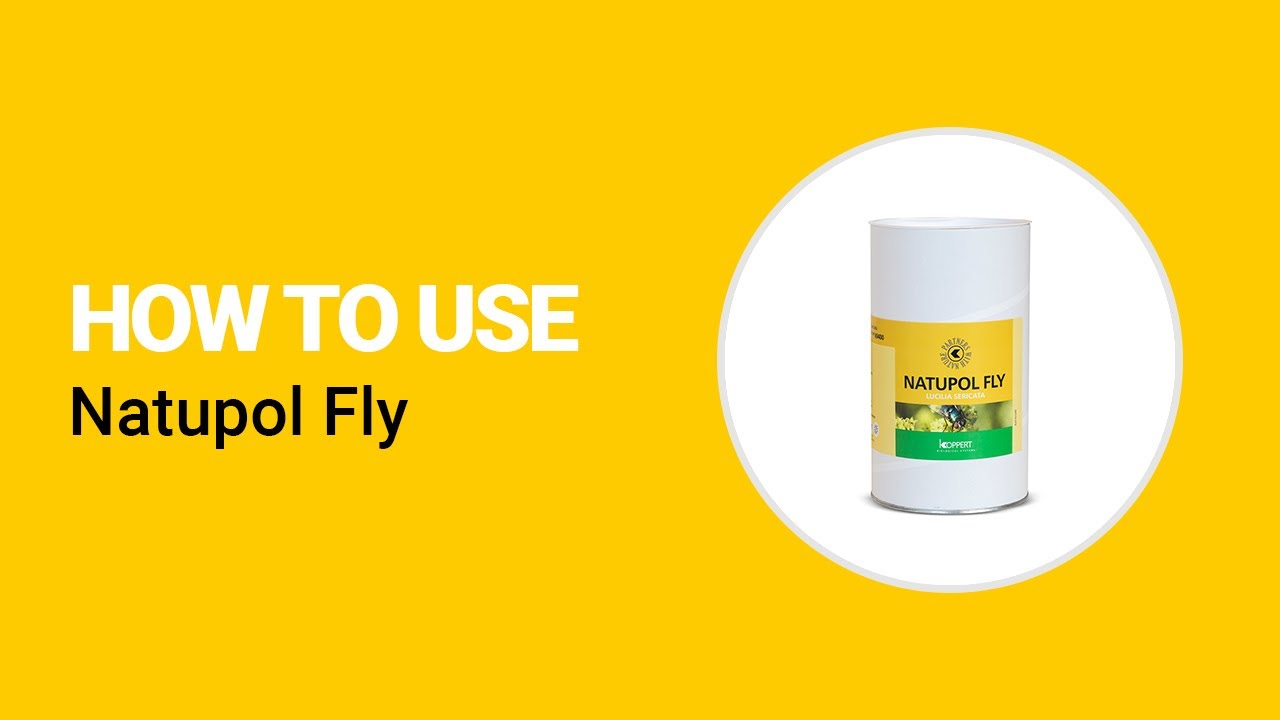
Unit of packaging
Lucilia caesar (greenbottle)
Pack size: 5 litre bucket
Contains: 1 kilo Lucilia caesar pupae (30,000 flies), mixed with sawdust. Total contents 3 liter
Target
Lucilia caesar flies are used for difficult or very small pollination applications in seed crops. They therefore make the perfect complement to bumblebees and honeybees for many seed producers.
Difficult pollination occurs regularly in hybridisation in which one or both parental lines produce too little pollen or nectar – if any at all – or if the parental lines are not attractive to “regular” pollinators.
Natufly can also be used if only a few flowers need to be pollinated and the colonies of regular commercial pollinators are simply too large.
Lucilia flies (Natufly) are used in the following crops, amongst others:
• Cruciferae (cauliflower, cabbage, rapeseed)
• Compositae (lettuce, endive, radicchio)
• Umbelliferae (carrot)
• Liliaceae (onion, leek, asparagus)
Introduction
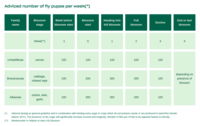
Cruciferae: roughly: 1 unit of 1 kg for 100 m², once a week
Compositae: roughly: 1 unit of 1 kg for 150 m², once a week
Umbelliferae: roughly: 1 unit of 1 kg for 100 m², once a week
Liliaceae: unknown, but most likely same as above
- disperse handfuls of pupae/sawdust mix. Protect them against mice
- do not place in direct sunlight under the foliage
- evenly spread contents over area
- in the morning or evening
Environmental conditions
Optimal temperature range is 18-28 °C.
Storage and handling
- store and transport dark and cooled at 6 °C
- at 3 °C the growth can be slowed down for maximum 1 week
- after this period it takes 3-4 days for the flies to emerge (at 24 °C)
- shelf life is 1 week
Appearance
Adults Lucilia caesar size 7-11 mm, bluish green/emerald color, eyes bold, cheeks grey
Old adults: copper colored
Mode of action
The flies will search for nectar in the flower and thus come into contact with pollen. This pollen is not consumed or collected by the flies, and therefore remains available for pollination when the fly visits another flower to drink its nectar.
It is however important to check beforehand whether the flies can make physical contact with the pollen-bearing stamens and the stigmas while looking for nectar. Making physical contact is to a great extent dependent on the structure of the flower.
Precautions
- the plants need to be well irrigated, because the flies get their moisture from the nectar of the plants
- sometimes honeybees are used beside flies to stimulate pollination
Compatibility
Always consult the side effect information or your consultant before applying chemicals.
Important!
The introduction rates of this product should be adjusted to the mode of action of the product and the results that can be expected in the crop where the product is applied. Your local Koppert consultant or recognized distributor will be able to advise you further.
Only use products that are permitted in your country / state and crop.