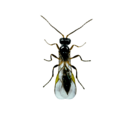
as soon as the first spider mites are detected in the crop. Introduction rates typically range from 0.25-25 per m2/release. Releases should be repeated
introduction as soon as the first pests are detected in the crop. Introduction rates typically range from 25-300 per m2/release. Releases should be repeated once
as soon as the first pest mites are detected in the crop. Introduction rates typically range from 50-100 per m2/release. Releases should be repeated if
as soon as the first pest mites are detected in the crop. Introduction rates typically range from 25-125 per m2/release. Releases should be repeated at
as soon as the first pest mites are detected in the crop. Introduction rates typically range from 25-300 per m2/release. Releases should be repeated if
consideration and deliberate interventions to achieve optimal pollination rates. In this article, we will delve into the unique aspects of pollination in
due to its increased resistance to treatments and accelerated development rate. As this strain continues to spread, the market is beginning to respond,
promotes more efficient foraging behavior, leading to improved pollination rates. Ensure that early daylight is not blocked by screens, double layers of
to previously reliable solutions and exhibited a much faster development rate. This meant infestations could quickly overwhelm crops, leaving growers
should be at least 0.5 mm (500 microns – 35 mesh) - preferably high flow rate cone nozzle types Continuous mixing should take place to prevent nematodes