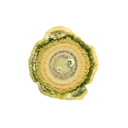
nymphs are yellow-brown and not yet covered with wax. They are actively mobile and known as ‘crawlers’. Second instar nymphs are darker and less active
its ability to target multiple developmental stages, including the more mobile and harder-to-control second instar (L2) thrips larvae. This ability provides
the difference in the product presentation? Spidex Vital consists of all mobile stages of Phytoseiulus persimilis. The carrier material is the same as the
The male nymph attaches itself to the plant, whereas the females remain mobile throughout their entire development. After the second instar, a male nymph
blood, and females must be engorged with blood to lay eggs. They are highly mobile insects and can travel up to 20 km in search of new hosts. Damage symptoms
seven larval stages. The larvae are at most about 3.5 cm long, are highly mobile, photophobic and gluttonous feeders. They withdraw very rapidly into affected
young leaves and have an oval shape. The first instar larvae (crawlers) are mobile, whereas the rest of the larvae stadia remain flattened on the leaf. The
strong jaws to grasp and consume aphids at a high rate. The larvae are highly mobile and actively seek out aphid colonies, helping to keep their populations
excrete honeydew, promoting sooty mold growth. Their high fecundity and mobility make early detection and integrated pest management (IPM) essential. Biological
Possible ways of mechanical transmission are tools, employees, visitors, mobile phones, insects, etc. In other words, all means by which plant sap of an