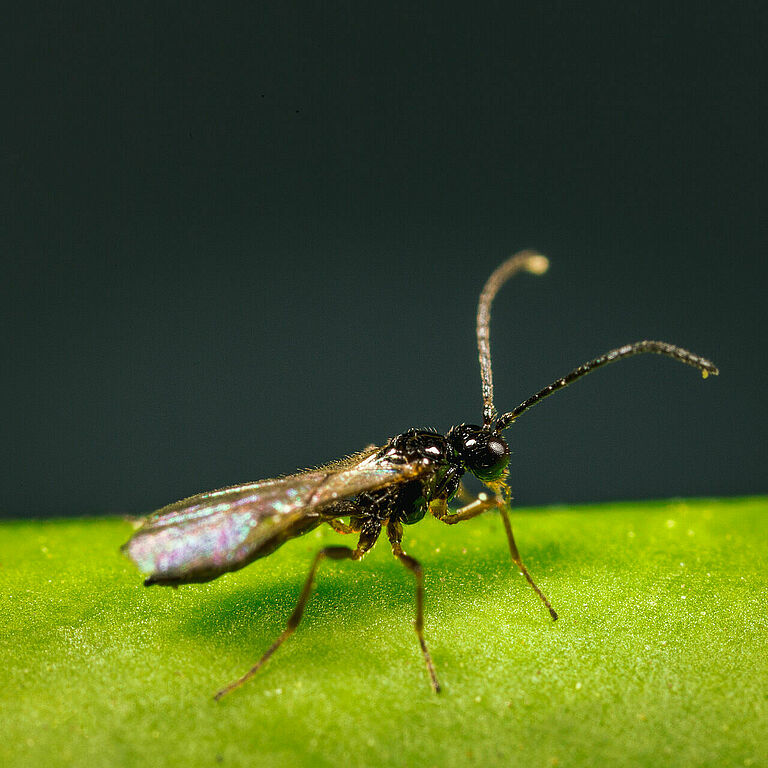






When it comes to safeguarding crops from pests, growers often weigh the benefits of parasitic wasps against chemical insecticides. Both methods aim to control pest populations, but they differ significantly in terms of effectiveness, environmental impact, and cost-effectiveness.
Parasitic wasps – Biological control
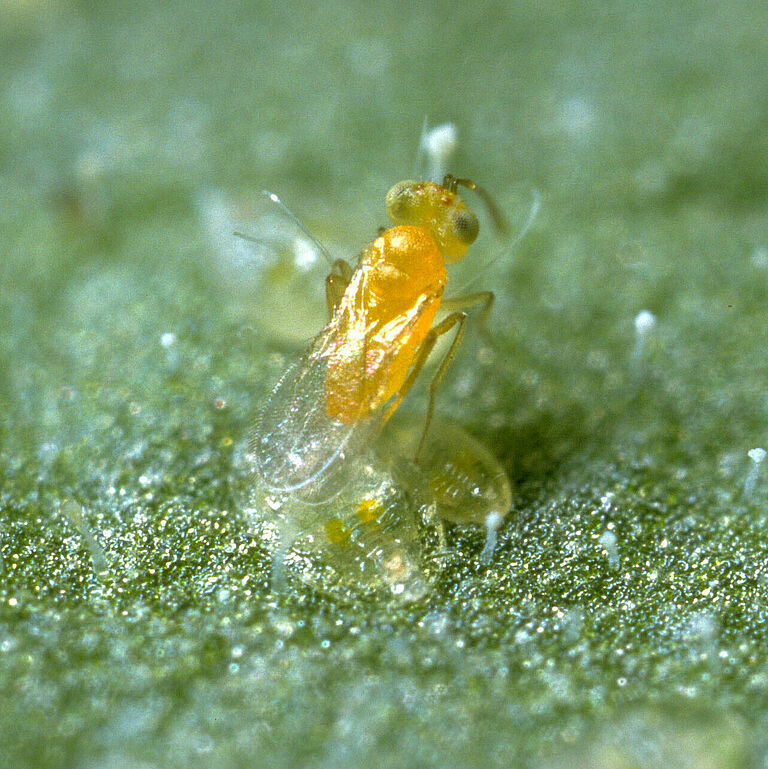
Parasitic wasps are natural enemies of many agricultural pests. They lay their eggs inside or underneath the bodies of host insects, and as the wasp larvae develop, they consume the host, ultimately leading to its death. This method targets specific pests, such as aphids, whitefly, mealybugs and scales and caterpillars, reducing their populations without harming beneficial insects or the environment.

Advantages of biocontrol
By integrating predatory insects, beneficial nematodes, and beneficial microorganisms, growers can combat pesticide resistance while promoting biodiversity and reducing pollution. Additionally, biological solutions enhance workplace safety, offer long-term economic benefits, and serve as a proactive risk management strategy - ensuring resilience against evolving pest pressures and regulatory changes.
Chemical pesticides - Quick fixes with consequences
Chemical pesticides have been the traditional choice for pest control due to their immediate results. However, their non-selective nature means they can harm beneficial insects, leave residues on crops, and even pose risks to human health. Over time, pests can develop resistance to these chemicals, necessitating higher doses or new formulations, which can further increase environmental and health concerns.
Why use parasitic wasps for biological control
While chemical pesticides offer rapid pest suppression, their effects are often short-lived and can lead to pest resurgence. Using parasitic wasps for biological pest control, on the other hand, provides sustained pest control by establishing a natural balance within the ecosystem. Their effectiveness is influenced by factors such as host availability and environmental conditions, but when properly managed, they can offer long-term solutions.
Learn more about effective whitefly control in the article 'Effective whitefly control using parasitic wasps'.
Environmental impact
The use of parasitic wasps aligns with environmentally friendly farming practices. They specifically target pest species without leaving harmful residues, thus preserving biodiversity and preventing pollution of soil and water sources. In contrast, chemical insecticides can contaminate ecosystems, harm non-target species, and contribute to the decline of pollinators and other beneficial organisms in growing environments.
Cost-effectiveness
Implementing biological control with parasitic wasps may involve initial costs related to their purchase and release. However, these costs are often offset by reduced expenditures on chemical insecticides and the long-term benefits of sustainable pest management. Studies have shown that biological control can be as effective, or even more so, than chemical methods, leading to favorable economic returns over time.