In lettuce production, root diseases such as Fusarium wilt (Fusarium oxysporum), Lettuce drop (Sclerotinia spp.), Pythium root rot (Pythium spp.) and Bottom rot (Rhizoctonia solani) can severely impact crop quality and productivity. In intensive lettuce production systems, root and crown disease pressure often builds up rapidly because of the short crop cycle and high cropping frequency.
The bio-fungicide Trianum has proven to be a highly effective solution for protecting lettuce against damping-off and other soil-borne diseases, while also improving crop growth and uniformity. Extensive trials conducted by Koppert's R&D team have demonstrated the strong performance of Trianum in lettuce, and growers around the world have confirmed these positive results in commercial practice.
How Italian lettuce growers control soil-borne diseases with Trianum
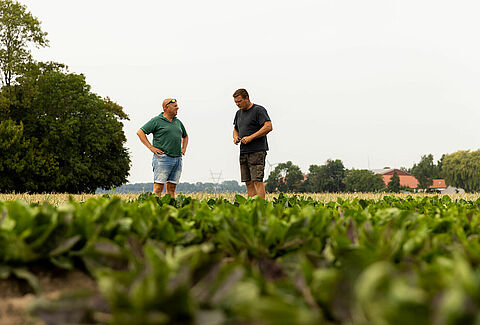
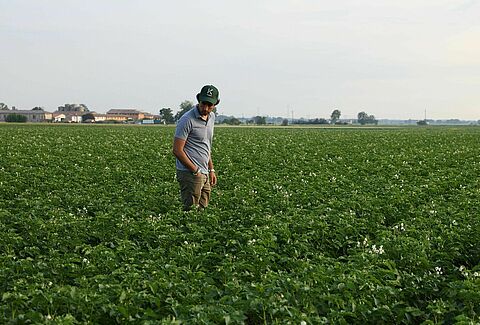
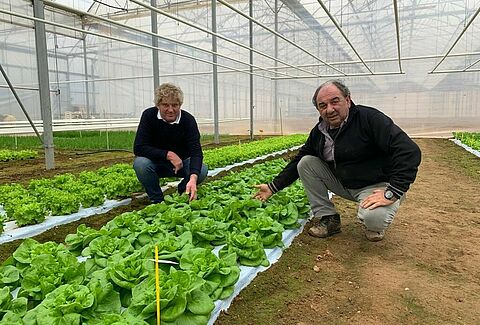
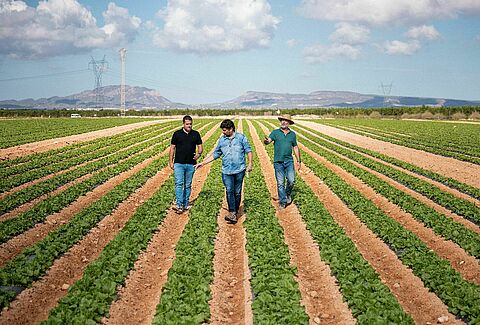
Italian lettuce growers Stelio Porrini and Fabrizio Cimarrosti have successfully integrated Trianum into their cultivation strategy several years ago. The growers, based in Guidizzolo in Northern Italy, grow leafy vegetables on 400 hectares of open field and tunnels. Several years ago, Fusarium oxysporum f. sp. lactucae became one of the main limiting factors for commercial lettuce production during the summer season.
"Thanks to Trianum, I am now able to control Fusarium and Sclerotinia at the same time, with no need for a chemical fungicide," says Fabrizio Cimarrosti. "To increase the good effect of Trichoderma in the field I decided to apply Trianum in the nursery, so that once the plants are transplanted, the root system is already well colonized and protected."
This is particularly important during summer transplants, where the high inoculum of pathogens present in the soil and elevated temperatures favour severe Fusarium infections.
"Since using Trianum, I have been able to significantly reduce the chemical inputs to my crop," Stelio Porrini continues.

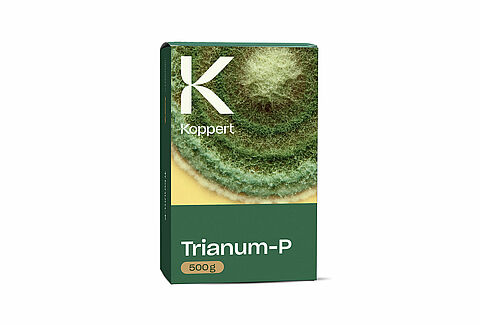
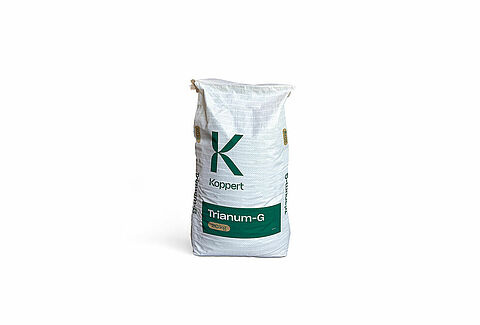
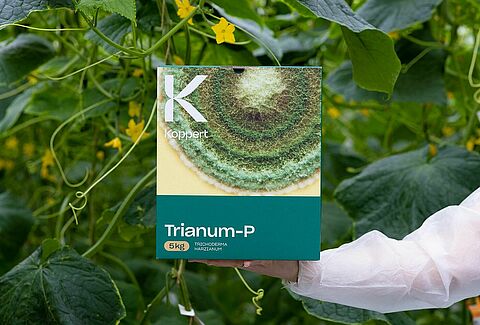
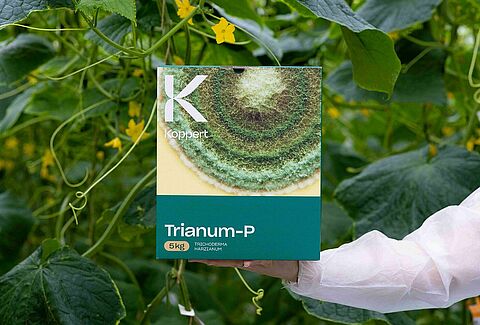
Trianum-G and Trianum-P: flexible application in lettuce cultivation
The growers have been using Trianum since 2017 and have been satisfied with the results ever since. In addition, its availability in two formulations makes the product easy to integrate into different cultivation systems.
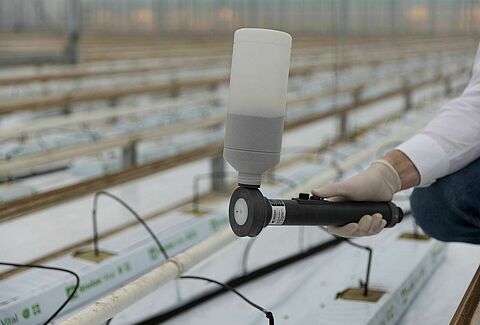
"I like the fact that Trianum is available in two different formats," says Stelio Porrini. "In open-field transplanting during spring and summer, I use Trianum-G in the microgranulator so that the root system of the new plants comes into direct contact with the product. During the winter period, when production moves to tunnels, I use Trianum-P. Under these conditions, it is easier and more effective to apply it through the irrigation system or with a spray boom immediately after transplanting."
Extensive trial results confirm consistent performance
Koppert has extensively researched the efficacy of Trianum against the major soil-borne diseases of lettuce, including those listed on the product label. Lettuce drop (Sclerotinia spp.) is one of the most important diseases affecting lettuce production worldwide.
To validate the effectiveness of Trianum against this pathogen, numerous trials have been conducted across different regions and climatic conditions, consistently confirming its performance.
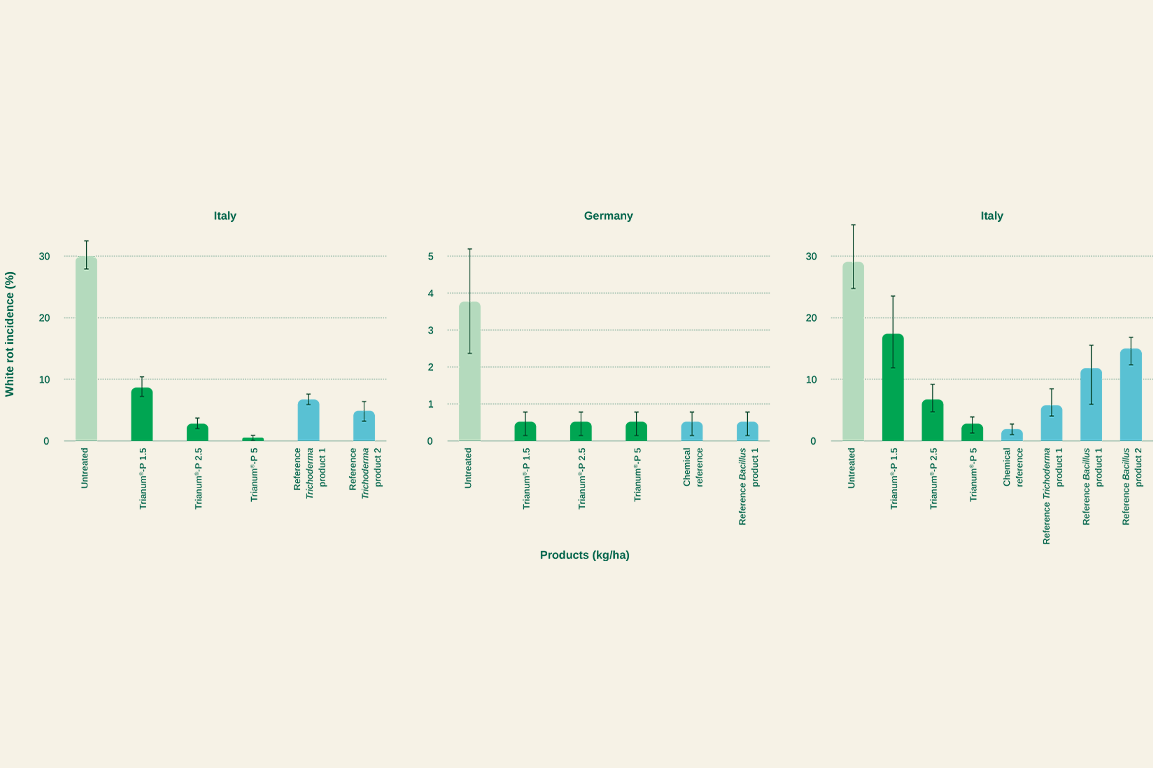
Three lettuce trials demonstrated the excellent efficacy of Trianum® against lettuce drop (Sclerotinia spp.). The graph below shows disease incidence at harvest. The trials were conducted in Germany (one trial) and Italy (two trials). Trianum-P was applied once after seedling emergence at various application rates. Across all trials, Trianum consistently delivered strong disease control, even under high disease pressure.
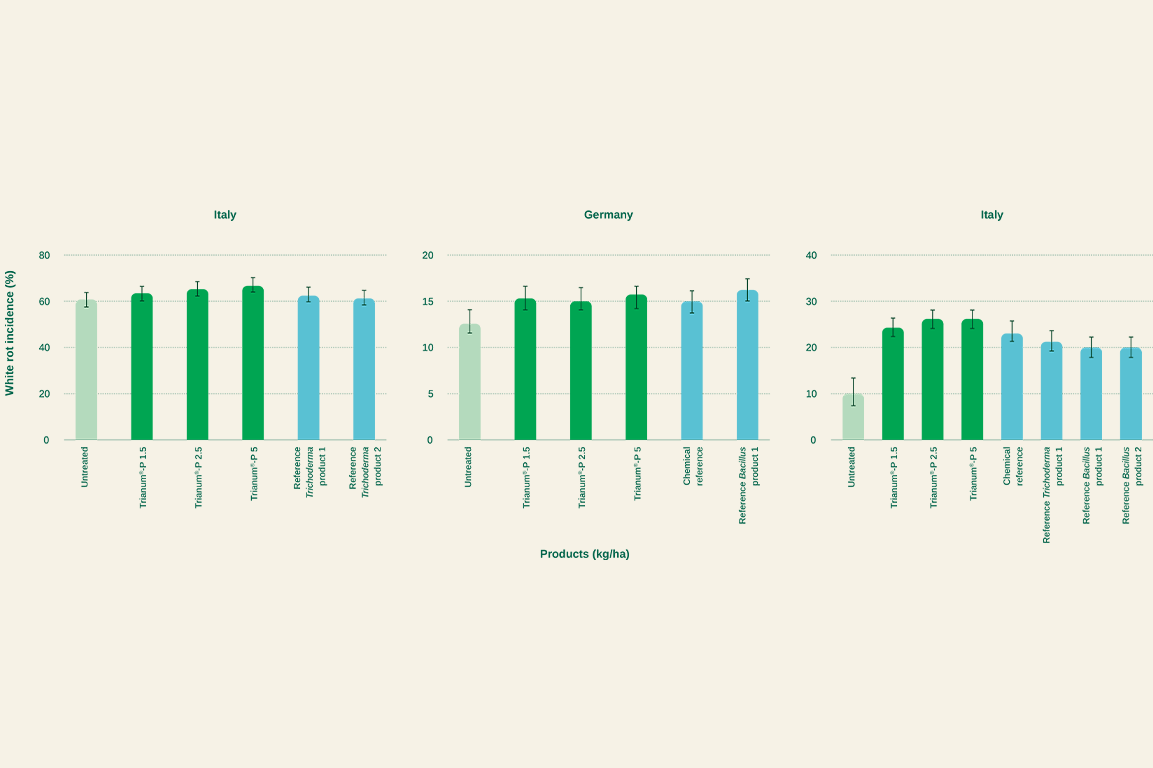
In addition to reducing disease incidence, Trianum also delivered significant yield benefits. Yield was measured at harvest, and all trials demonstrated a statistically significant increase in harvestable yield.
Choose the formulation that fits your cultivation
Trianum is available in two formulations:
Always check the local product registration before use. To learn what Trianum can do for your crop, please contact your local Koppert representative.