Skip to content
  • Jump to:
  • Damage
  • Life cycle
  • Management

What is apple rust mite?

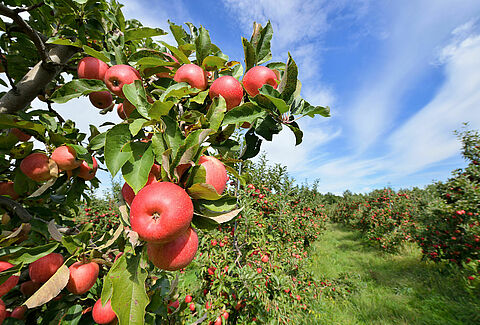
Apple rust mite (Aculus schlechtendali) is a microscopic eriophyid mite that feeds on the leaves and developing fruit of apple trees. Because of its small size, the pest is difficult to detect without magnification, and infestations may only become noticeable after damage appears.

High populations can cause leaf bronzing and fruit russeting, reducing fruit quality and marketability. Apple rust mite can multiply rapidly under favorable conditions, making regular monitoring and the presence of natural enemies important for effective control.

  Biological solutions for Apple rust mite  

Filters:
Clear all filters
Show all Show less
products found:

Questions or need help?

Contact us
  • Easy to use
  • Minimal resistance
  • No chemical residues
  • No pre-harvest intervals

Learn more about

Damage symptoms of apple rust mite

Typical symptoms of apple rust mite infestations include:

  • Bronzing or discoloration of leaves
  • Russeting of developing fruit
  • Rough or corky fruit skin
  • Reduced photosynthetic activity
  • Reduced fruit quality and marketability

Life cycle of apple rust mite

Overwintering

Apple rust mite overwinters mainly as adult females in protected sites on the tree, particularly beneath bud scales and in bark crevices.

Spring activity

As apple buds develop in spring, overwintering females become active and move onto emerging leaves and flower clusters. They begin feeding and laying eggs, allowing populations to increase as new plant tissue develops.

Population growth

Multiple generations can develop during the growing season. Eggs hatch into young mites that begin feeding on leaves and fruit, and generations can overlap as populations increase. Because apple rust mites reproduce quickly, high numbers can develop within a relatively short period under favorable conditions.

Autumn

Towards the end of the growing season, overwintering females move to protected sites around buds and bark, where they remain until activity resumes the following spring.

Management of apple rust mite

Managing apple rust mite starts with maintaining a healthy balance between pest mites and their natural enemies. Regular monitoring and conservation of predatory mites help prevent populations from reaching levels that affect fruit quality.

Biological control of apple rust mite

Predatory mites play an important role in the biological control of apple rust mite. Conserving naturally occurring predatory mite populations and introducing beneficial mites where needed can help keep apple rust mite populations under control.

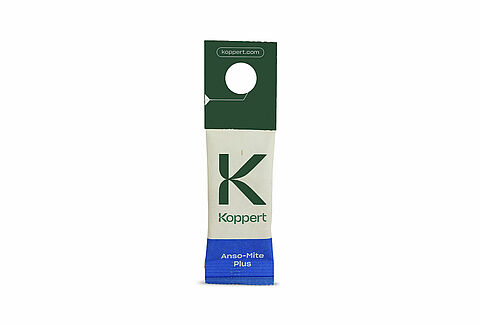
Koppert offers Anso-Mite Plus (Amblyseius andersoni), containing predatory mites that contribute to biological mite control in apple orchards. Establishing predatory mites early and protecting their populations throughout the season supports long-term suppression of pest mites and reduces reliance on conventional acaricides.

Need help?