spraying nematodes on the ground to reduce the pest pressure in spring.’ ‘We don’t have that many biological solutions available for organic agriculture and
the nymphs of bugs such as nesidiocoris. ‘You need to be careful that they don’t also attack the larvae of the lacewing, but the results show that collateral
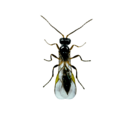
Whitefly in your crop? You don’t have to go into battle alone! Biological control is at the rescue. Predatory mites and parasitic wasps are just two examples
e variation. ‘That’s another weakness in the system. Suppliers generally don’t share enough information, so we regularly do a bit of nagging at them and
the development of pests, so other pests do not cause big problems and we don't have to fight them.’ ‘Our patience was rewarded’ The Wilczewscy Garden Farm
regularly go scouting through the crops: I photograph every beetle that I don’t recognize and send the photograph to Rianne. For Koppert, there’s very little
vaccinations in humans, so growers understand this. The benefits are clear, so we don’t expect major concerns in that field,’ De Smet concludes. For more information
concerns were often neglected in the debate about sustainable cultivation: ‘Don’t wait for the NGOs to take a stand or consumers to protest. Tell consumers
vision,' explains Rudi. 'We work in the greenhouses every day, which means we don't notice crop changes as quickly. An expert has a fresh take on things and
of insecticides, fungicides, herbicides and even nematicides, meaning they don't lose their efficacy, when used complementary to chemical solutions. To be