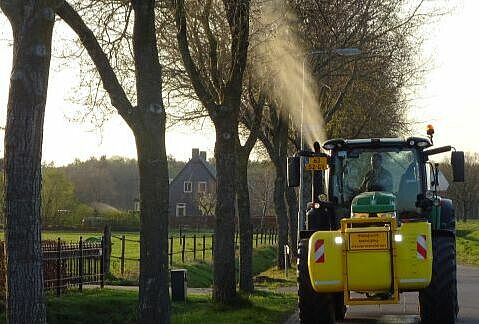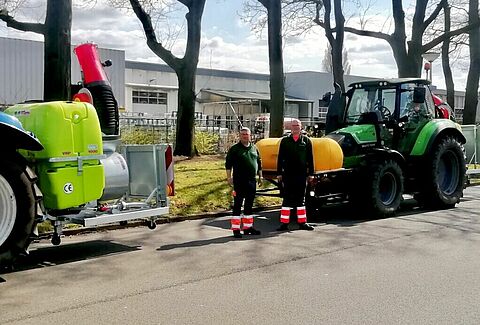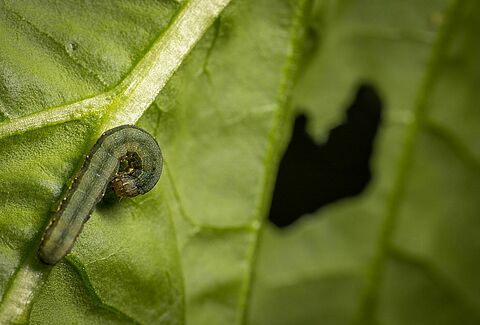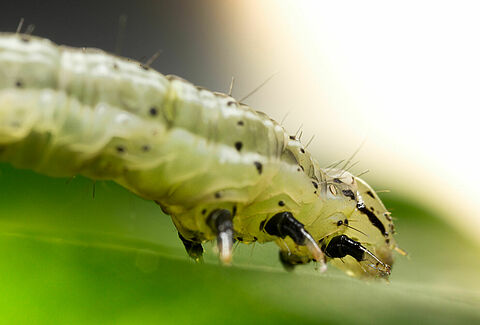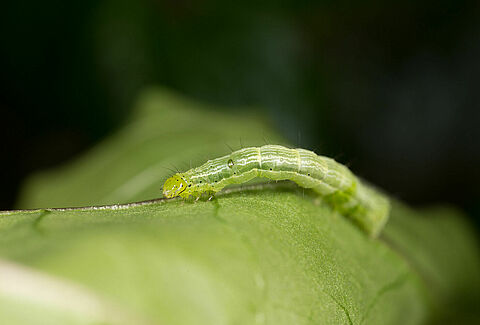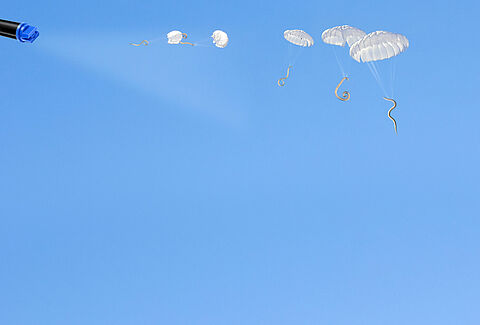
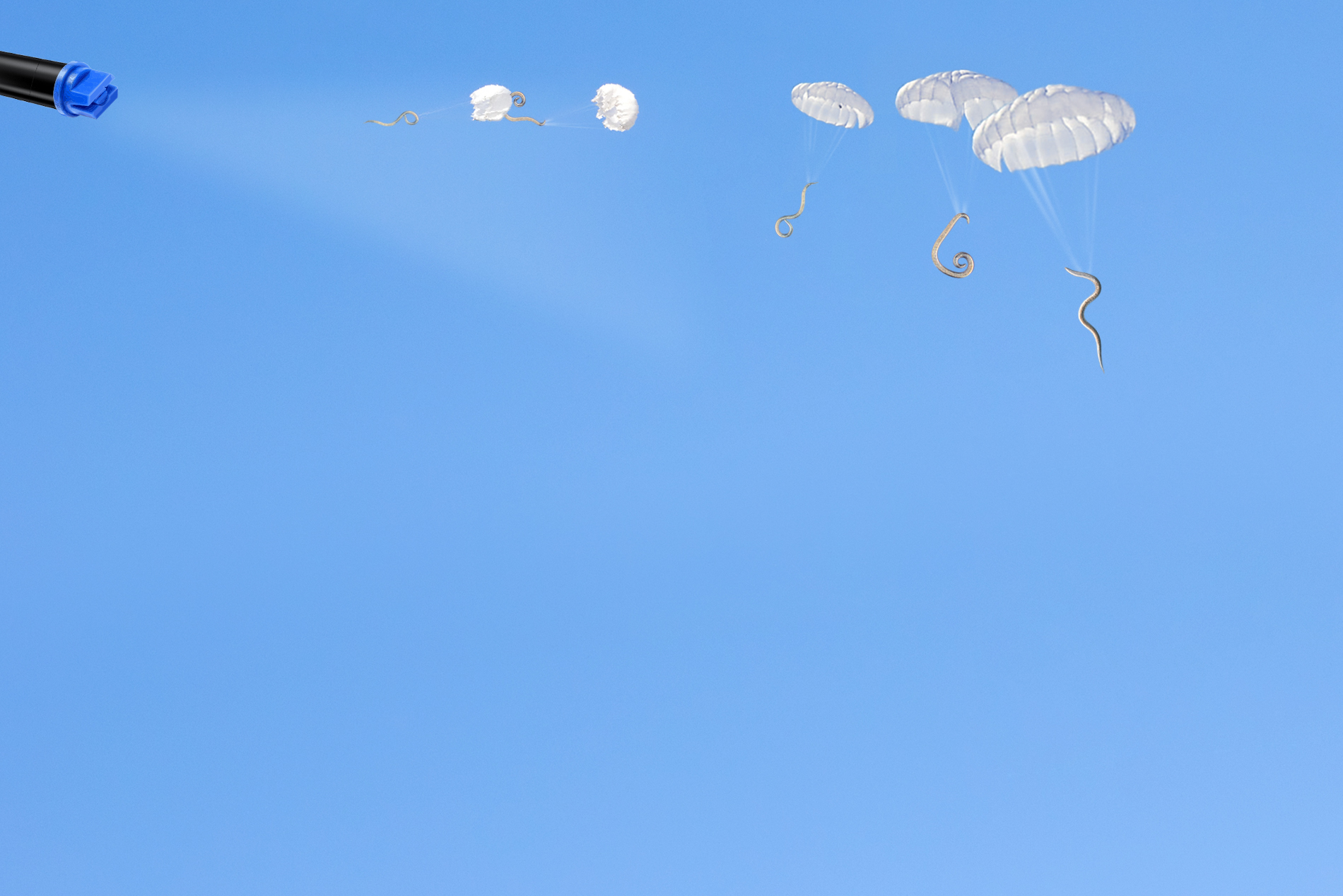
Parasitic nematodes have traditionally been an important tool in the fight against soil infestations. However, they also appear effective when applied to the leaves. The nematodes combat caterpillars and other insect larvae, even in situations where other methods have ceased to work.
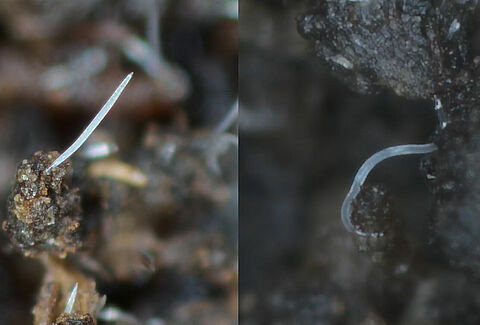
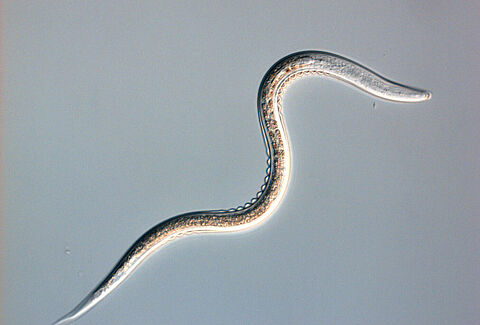
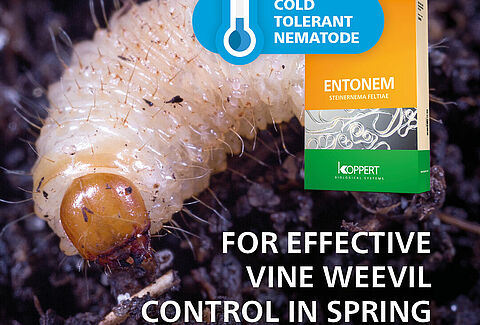
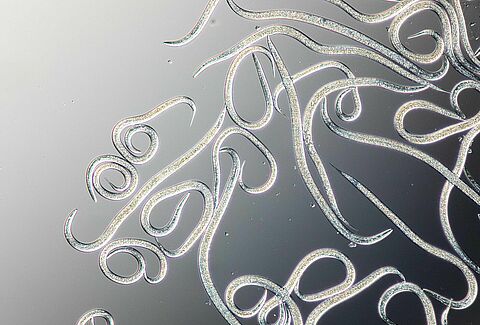
Parasitic nematodes are so small that they can penetrate into caterpillars and larvae. They occur naturally in the ground and so it made perfect sense to start using them on soil infestations. ‘We have been doing this since 1985. They are great for dealing with grubs, larvae, vine weevil and sciara larvae, and thrips pupae,’ explains account manager Arno van der Zwan.
How did it prove possible to train soil-living organisms for use on leaves? Van der Zwan continues, ‘It comes down to three words – test, test, test. We carried out tests to find out which types of nematode were most suitable and what the right conditions were. We constantly tested improved formulations and tried to identify the best approach for each infestation.’
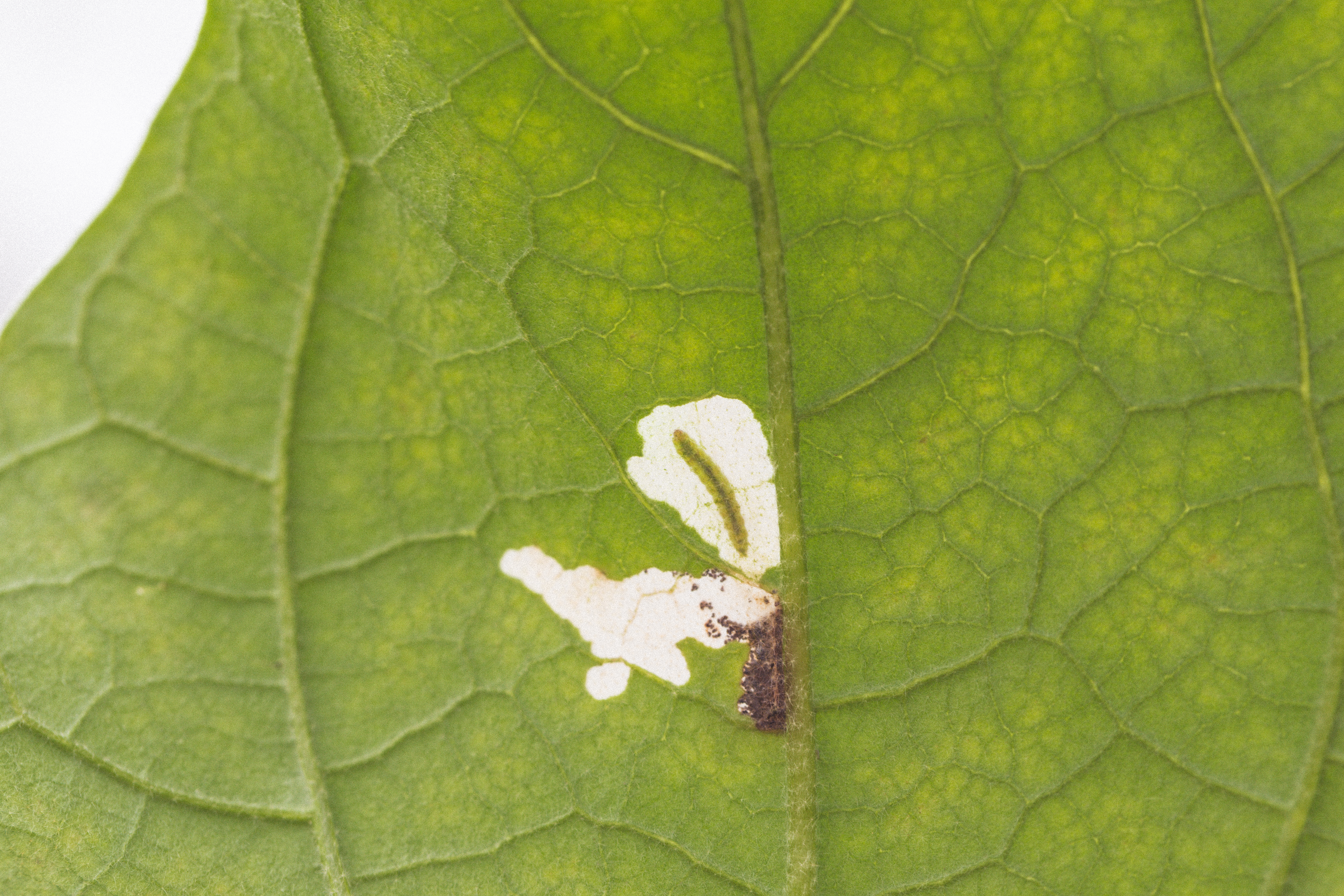
Nematode-bacteria interplay
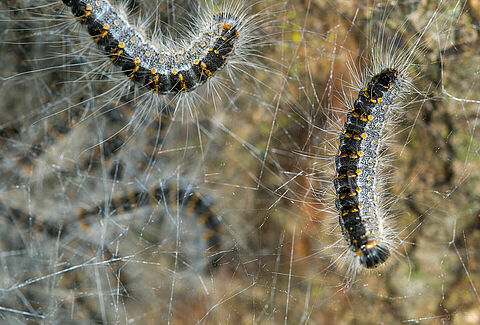
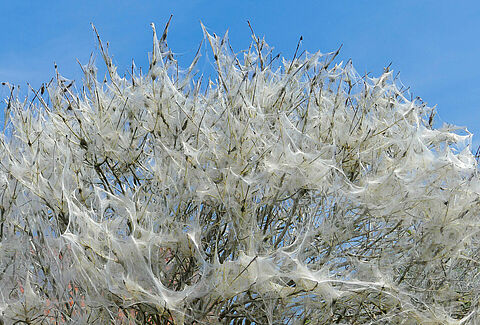
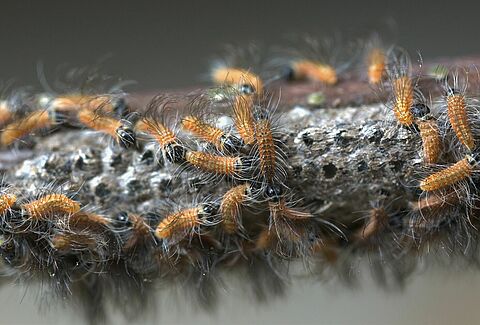
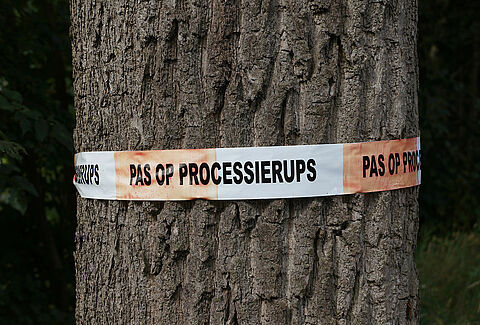
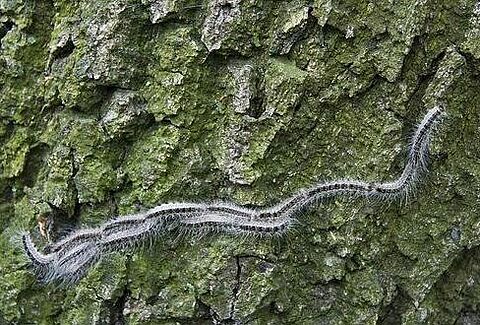
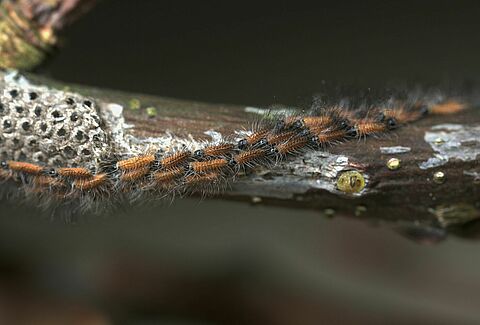
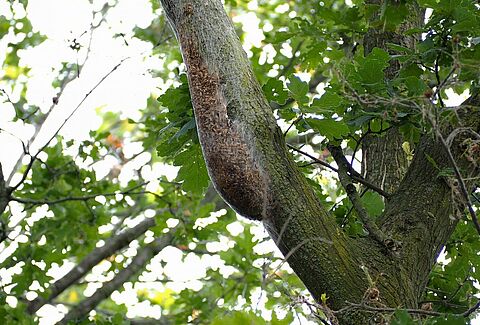
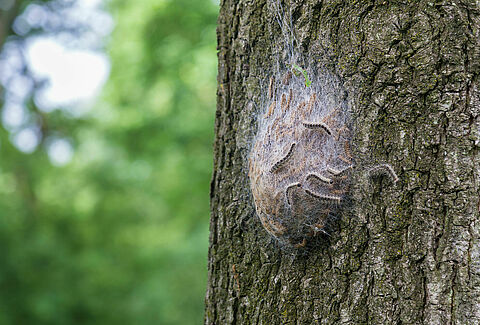
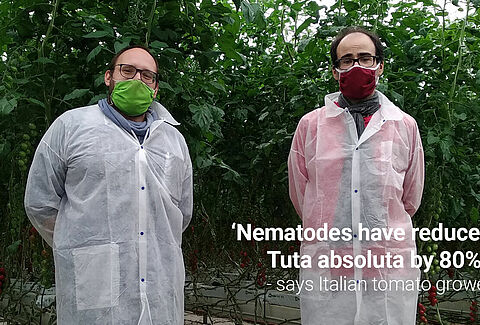
In many crops, the caterpillar problem is getting worse – there’s the tuta absoluta for example, and the oak processionary caterpillar. Parasitic nematodes are by no means fussy eaters. ‘The approach works on all soft body insects,’ he explains.
Soft body insects are insects that go through a stage (caterpillar or larva) in which the nematode can penetrate into the insect through its natural openings. Once inside the host, the nematodes release bacteria, which are responsible for the dirty work, poisoning the caterpillar or larva before killing it and dissolving the tissue into a pulp. The pulp then serves as food for the nematodes, which continue to grow, reproduce, and then leave the dead caterpillar in search of the next victim.
The right conditions
The nematodes can survive on the leaf for several days, all the while seeking out new caterpillars or larvae. ‘You need to be kind to them. They love humid conditions and a temperature of between 8 and 25°C. There’s usually a microclimate between the leaves, which offers just the right level of humidity. It’s also important for the leaf to be well covered, which can be achieved with wetting agents and adherents. Spraying in the evening when there’s minimal sun irradiation is the way to achieve the best result. You can find videos on the Koppert YouTube channel that explain exactly what you need to do,’ explains the account manager.
IPM and nematodes
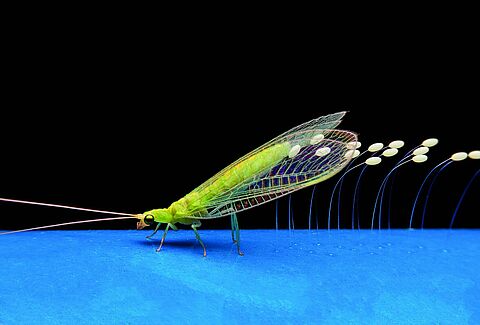
Parasitic nematodes work well within an Integrated Pest Management system. The first growers have since had positive experiences using parasitic nematodes against stubborn infestations such as caterpillars. They can also be used to control the nymphs of bugs such as nesidiocoris. ‘You need to be careful that they don’t also attack the larvae of the lacewing, but the results show that collateral damage of this kind is rare if you remain mindful of it and phase in use of the various beneficials,’ explains Van der Zwan.
It’s also useful to know that nematodes are safe for humans. Another advantage is that nematodes are relatively resistant to pesticides, thus opening up the possibility of using integrated methods. If in doubt, consult the Koppert side effects app.
Entonem and Capsanem
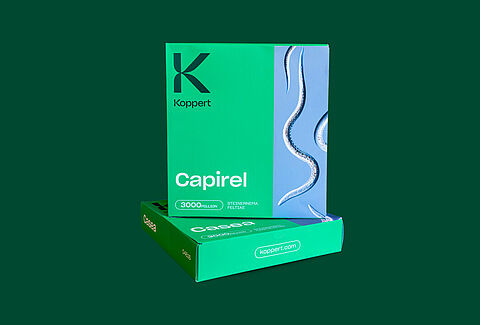
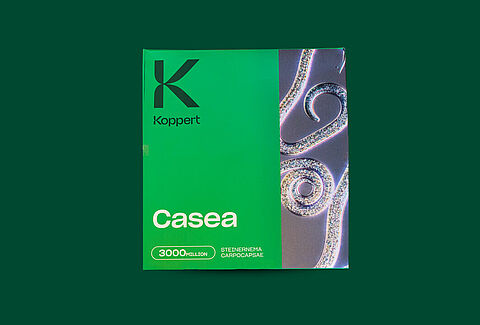
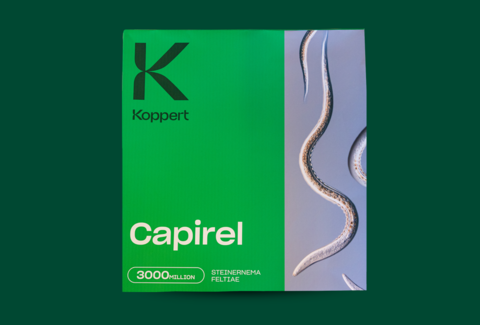
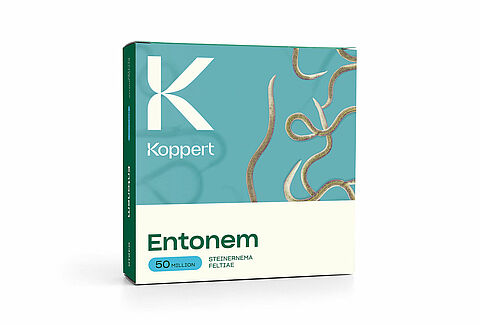
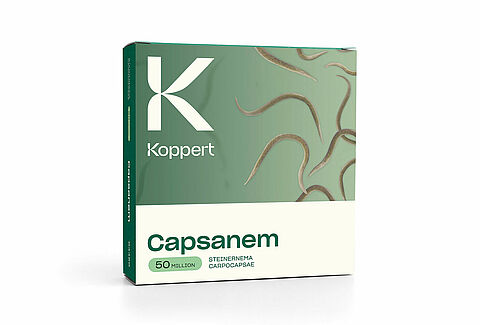
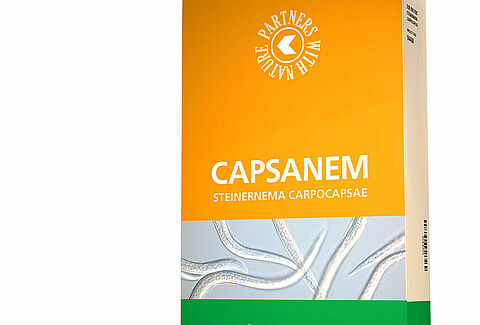
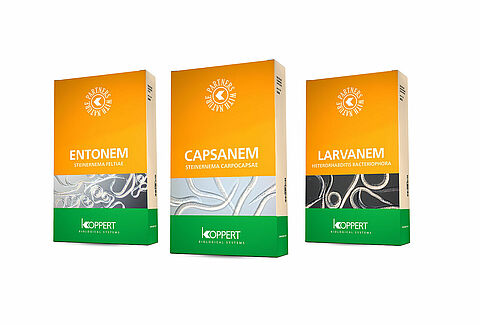
Koppert has two products with two different kinds of leaf application – Entonem, with the nematode Steinernema feltiae and Capsanem, containing Steinernema carpocapsae. Below 15°C, Entonem is the best choice, while Capsanem is better at higher temperatures.