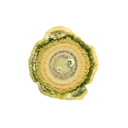
General The olive fruit fly ( Bactrocera oleae ) is the most serious pest for olives. It is widely distributed from the Canary Islands to India and common throughout the Mediterranean region. The oliv
General The flatheaded woodborer, Capnodis tenebrionis, is a pest of stone fruit trees, such as plums, peaches, apricots, etc. mainly in the Mediterranean Basin. Adults also feed on other Rosaceae and
Biological control of caterpillars Caterpillars are highly destructive pests that feed on leaves, stems and fruits, causing serious damage to greenhouse and field crops. Their feeding reduces photosyn
Biological control of whitefly Whiteflies are common pests in greenhouse and field crops, feeding on plant sap and transmitting harmful viruses. Their feeding weakens plants, causes leaf yellowing and
General Stink bugs belong to the family Pentatomidae (true bugs) and derive their name from the strong odour that they emit from scent glands when disturbed. The Southern green stink bug ( Nezara viri
General information The demand for biological seed treatment solutions is increasing. They ensure that farmers protect their potential yield and quality by minimizing crop loss. Koppert’s biological c
General The European mole cricket, Gryllotalpa gryllotalpa is widely distributed in the warmer areas of Europe and introduced in the US. It lives mainly in the ground where it feeds on soil invertebra
General Sciarid flies constitute the family of Sciaridae. The species that cause most damage to crops belong to the genera Bradysia and Lycoriella . Lycoriella species are mainly found in commercial m
General The large raspberry aphid, Amphorophora idaei, is the most important aphid species found on raspberries in Europe. It only feeds on raspberry. Damage symptoms Large raspberry aphids rarely rea
Biological control of crickets Crickets can cause serious damage in greenhouse and field crops by feeding on young plants, roots, and fruits. Their chewing creates wounds that slow plant growth and in