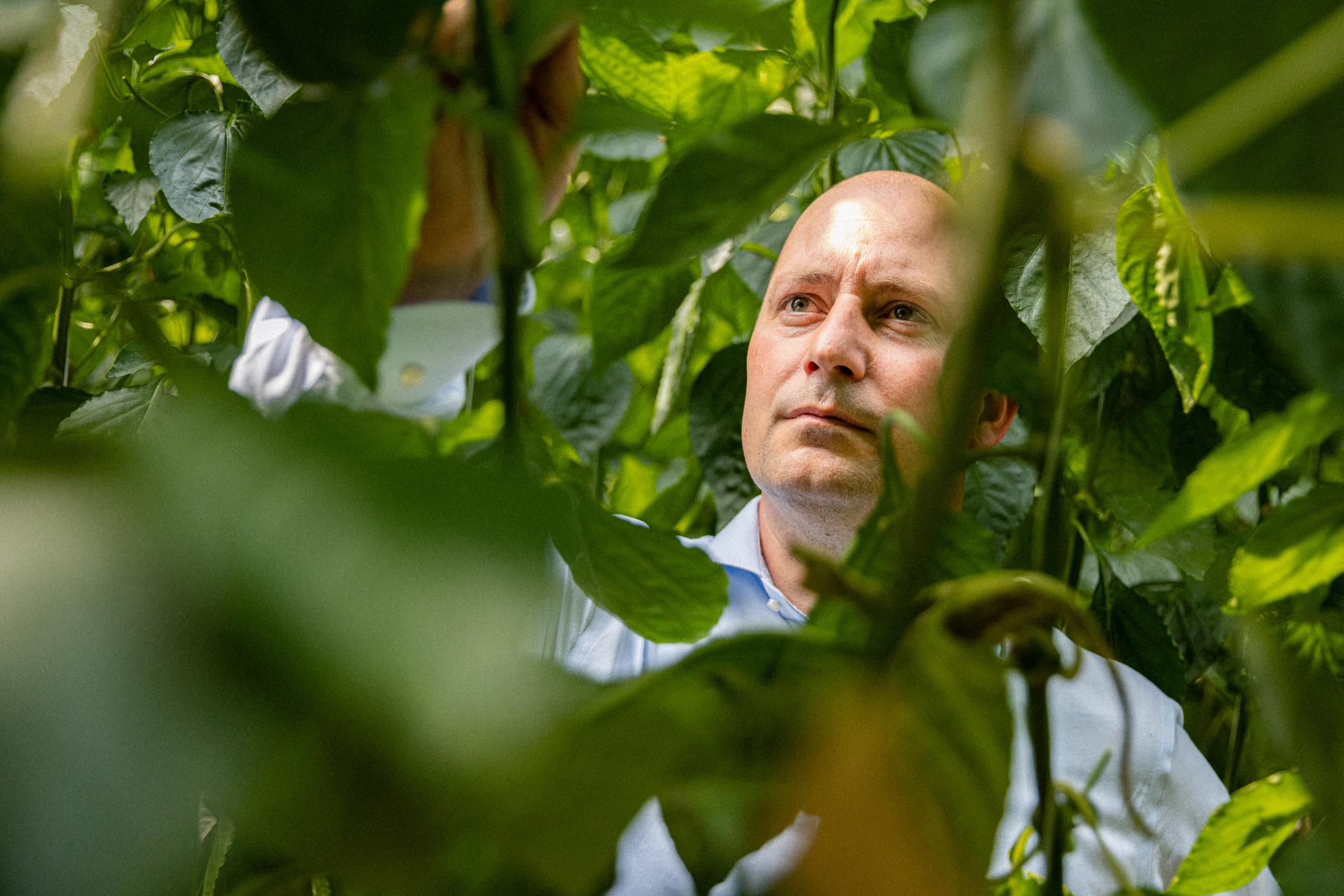
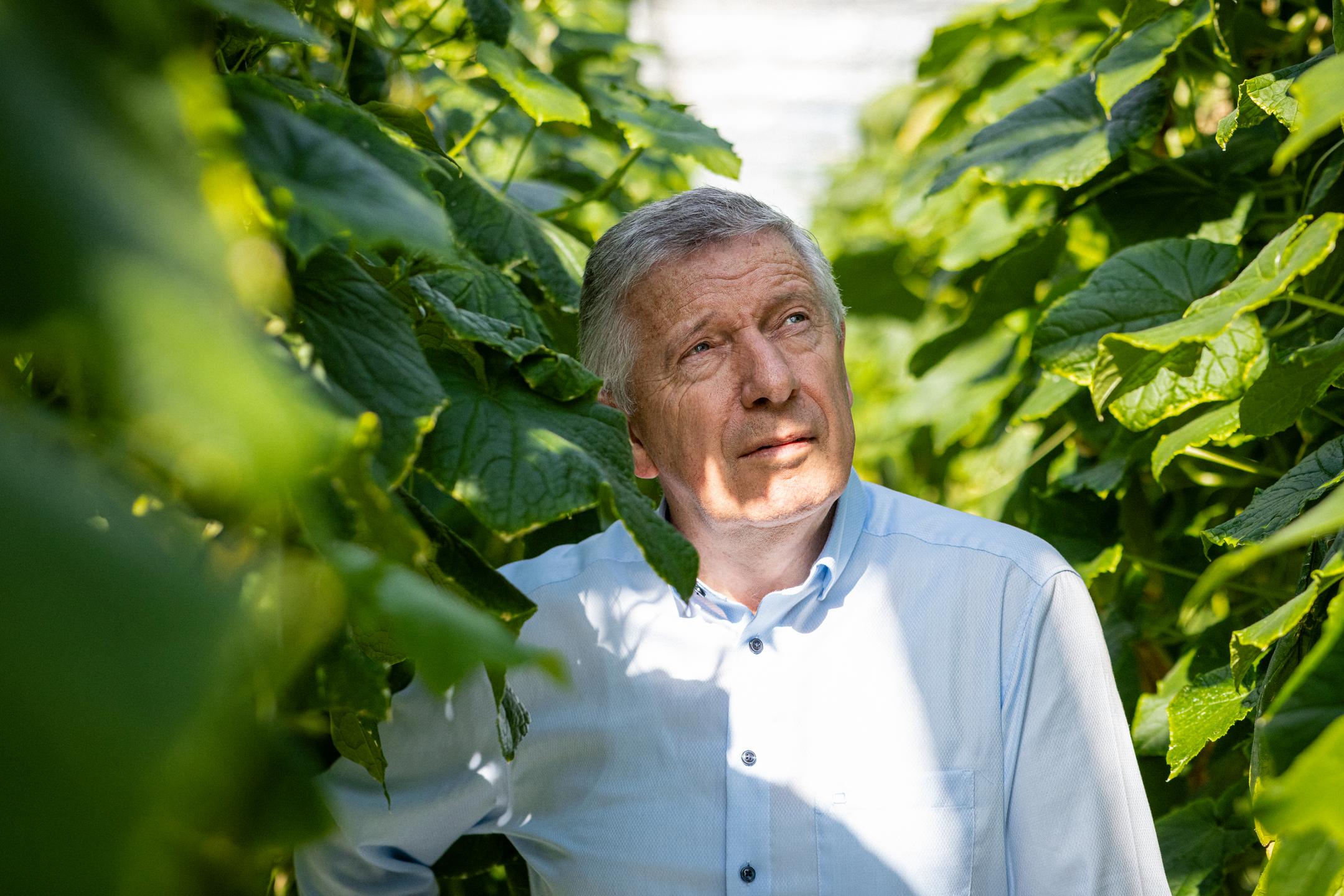
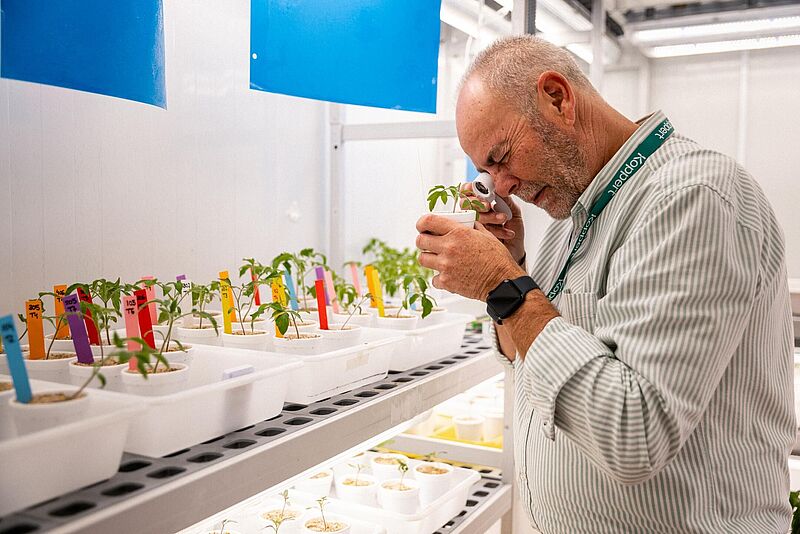
It all started with a stick, a spider nest, and a curious boy exploring the Andalusian countryside. From a young age, Jose Eduardo Belda (Innovation Manager Southern Europe) was captivated by insects - a passion sparked by his father, who loved filming bugs in their natural habitat. That fascination evolved into a lifelong dedication to entomology and, eventually, a pivotal role in shaping the course of biological control in Spain.
A passion for insects – and a new beginning in Almeria
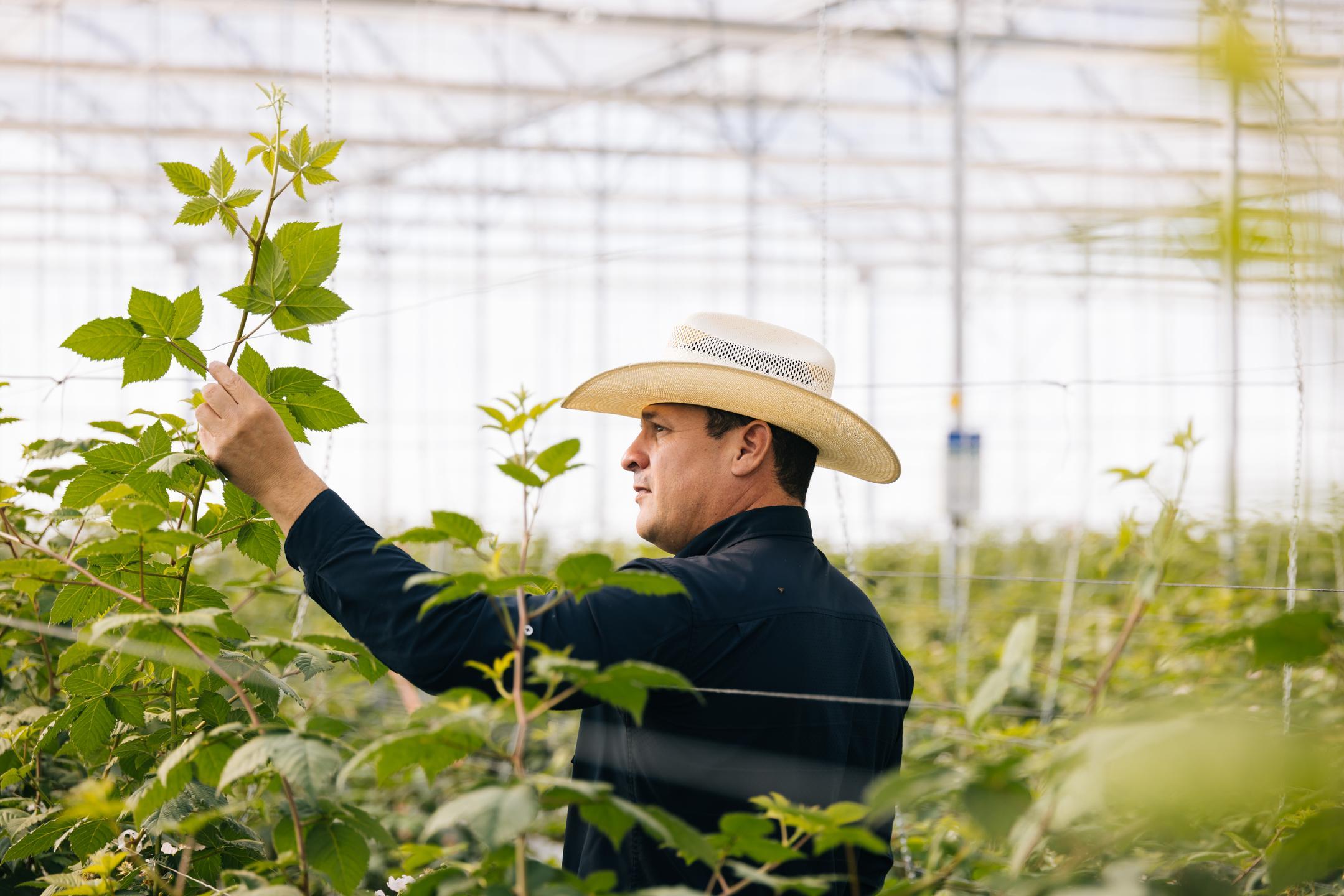
After studying biology in Granada with a focus on entomology, Jose moved to Almeria for family reasons. There, he encountered the region’s intense greenhouse agriculture and a new world of crop pests. It was the perfect setting for someone eager to apply scientific curiosity to real-world agricultural challenges.
At first, he joined a government lab with the Junta de Andalucía. But when Koppert came looking for a research director, he saw an opportunity that aligned perfectly with his growing interest in biological pest control. “Koppert was the company that pioneered biocontrol in Spain. It was innovative, science and practical driven - and I knew I wanted to be part of that.”
The Swirskii breakthrough that changed everything
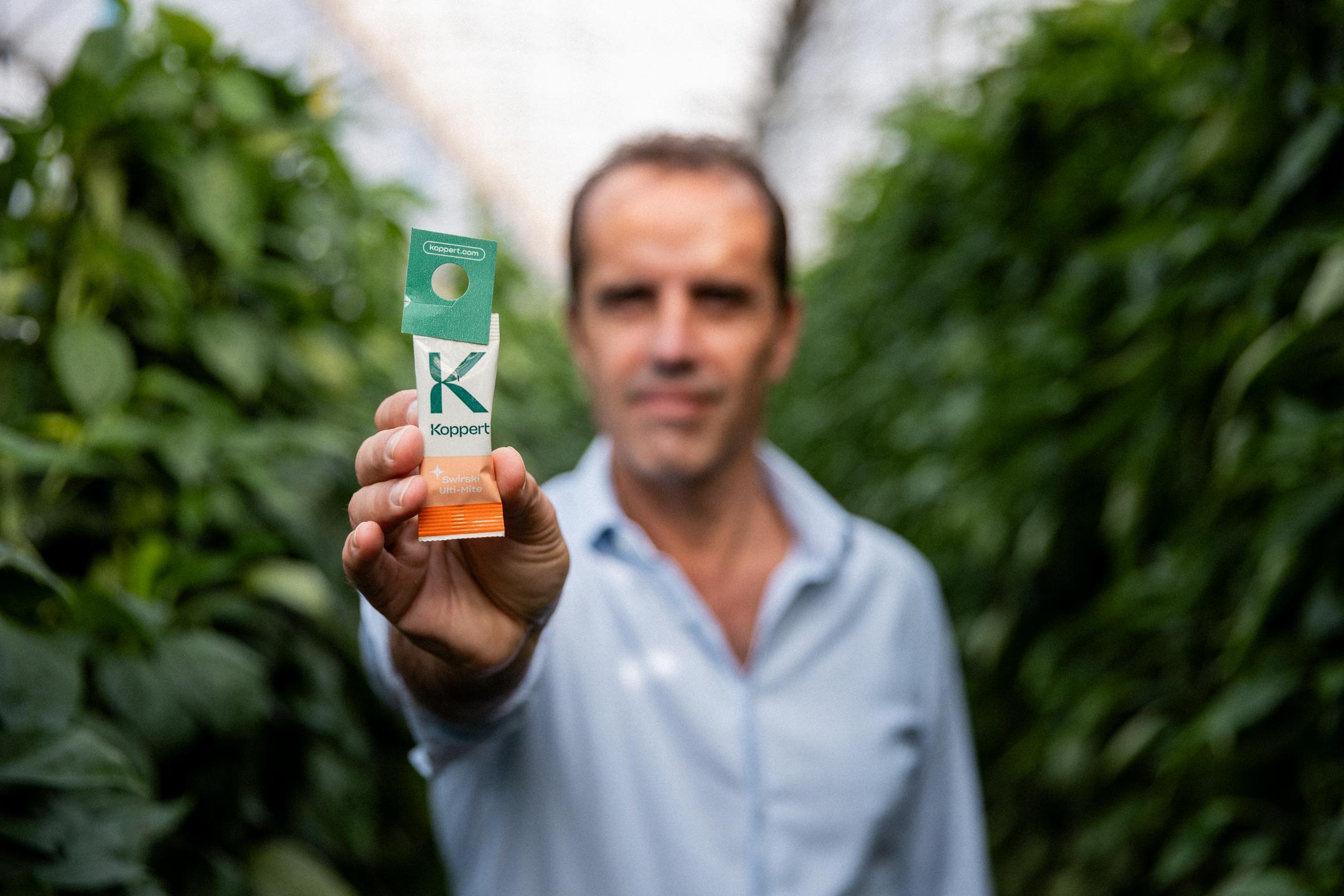
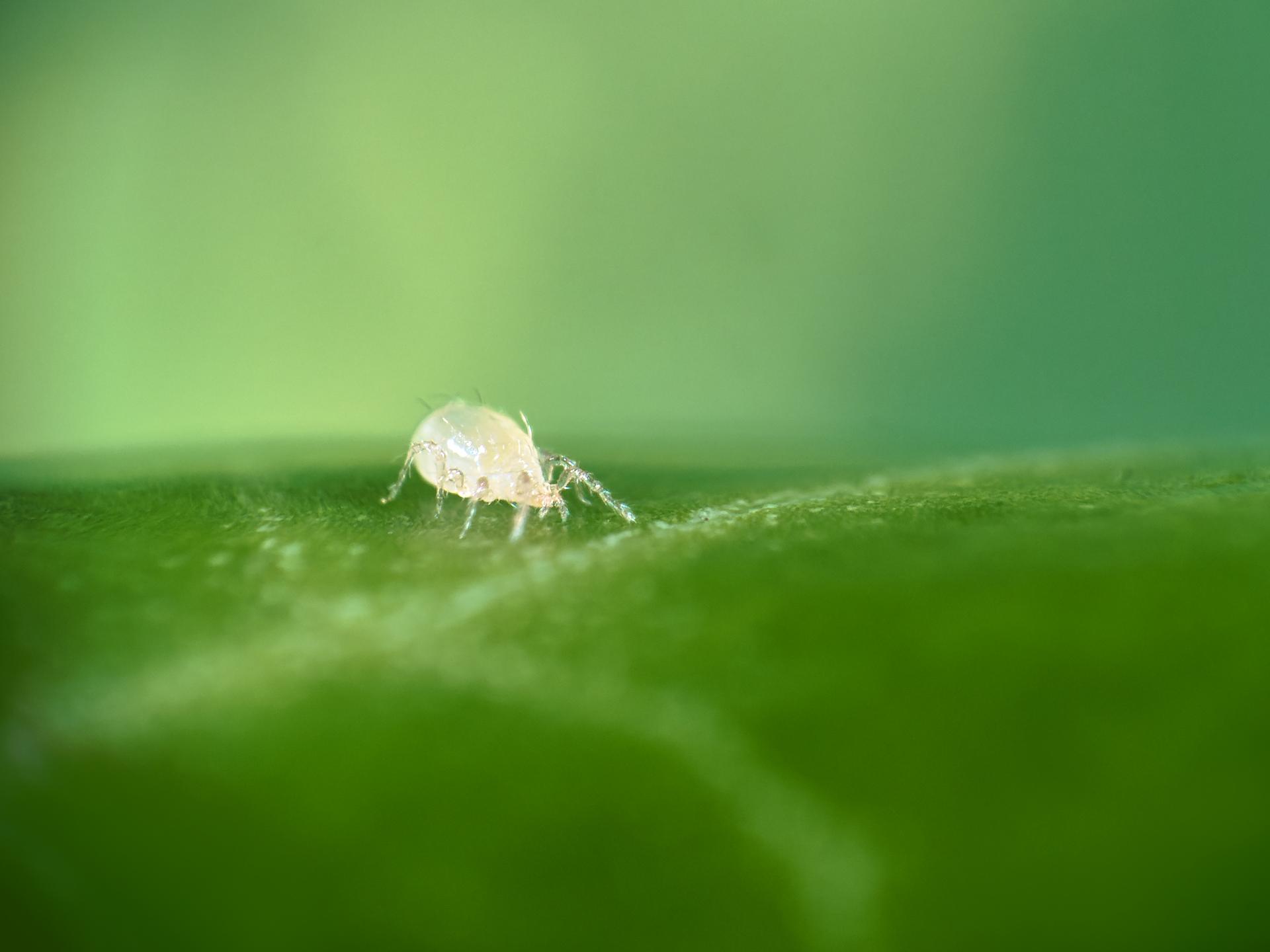
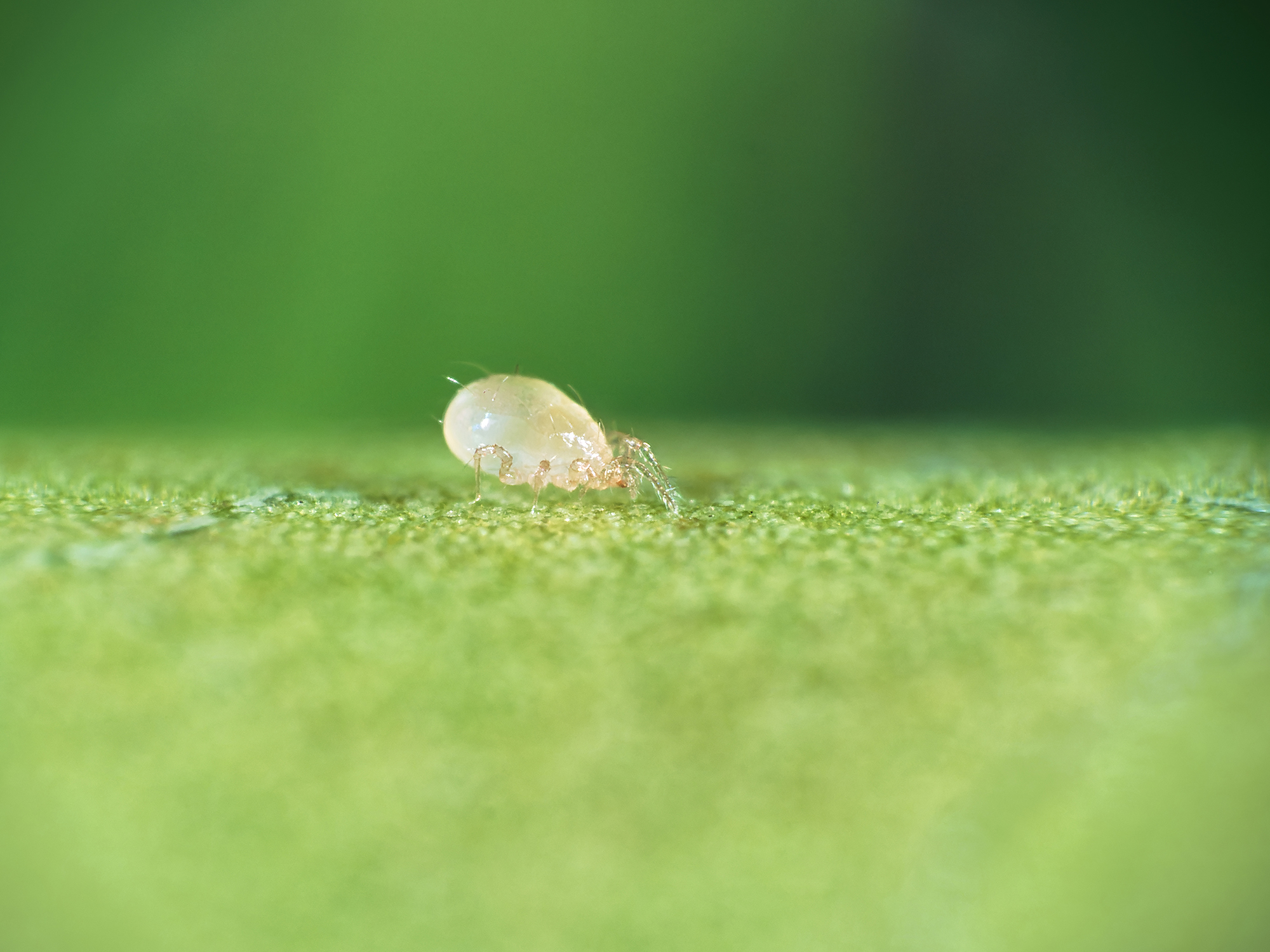
One of his earliest and most impactful projects at Koppert was the introduction of Amblyseius swirskii to combat whitefly and thrips in Campo de Cartagena and Almeria greenhouses - two pests that had become nearly impossible to manage with chemical treatments. Resistance to pesticides was high, and regulations around active substances were tightening.
Within just a few years, he and the team developed a reliable, proven protocol based on Amblyseius swirskii and Orius. It was a turning point. “For the first time, predatory mites offered a working, scalable solution for growers - and it triggered a real shift in mentality in Almeria.”
Scaling up: strawberries, citrus, and beyond
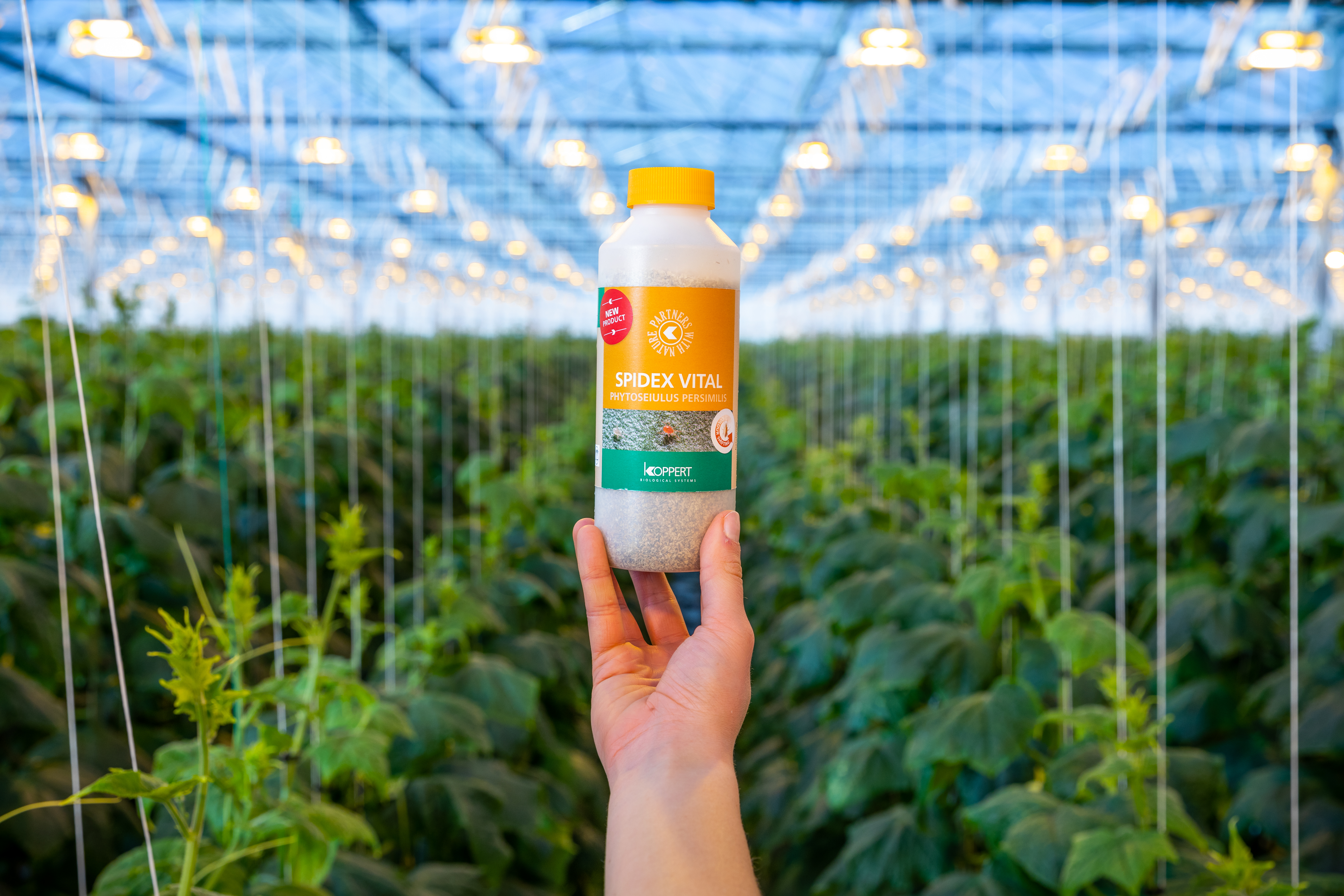
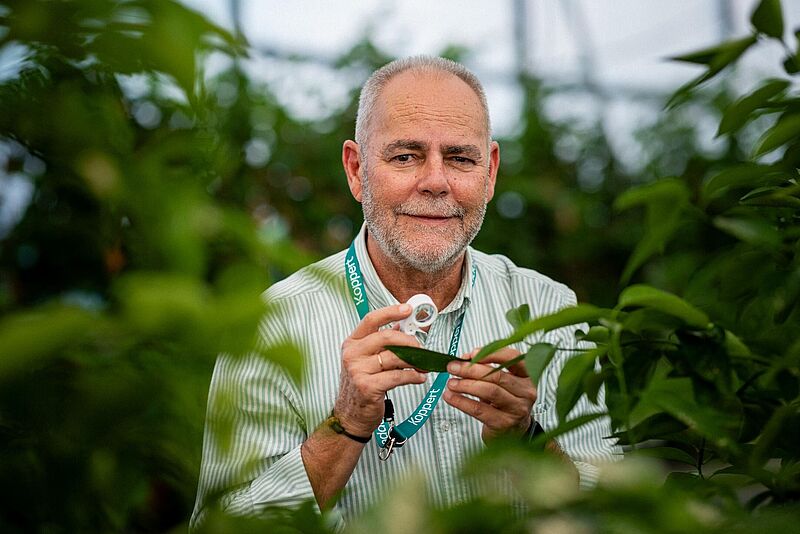
From greenhouses to open fields, the success of Swirski-Mite opened the door to other applications. The team developed protocols for controlling red spider mites in strawberries using Phytoseiulus persimilis — the very species that had sparked Koppert’s early breakthroughs decades earlier.
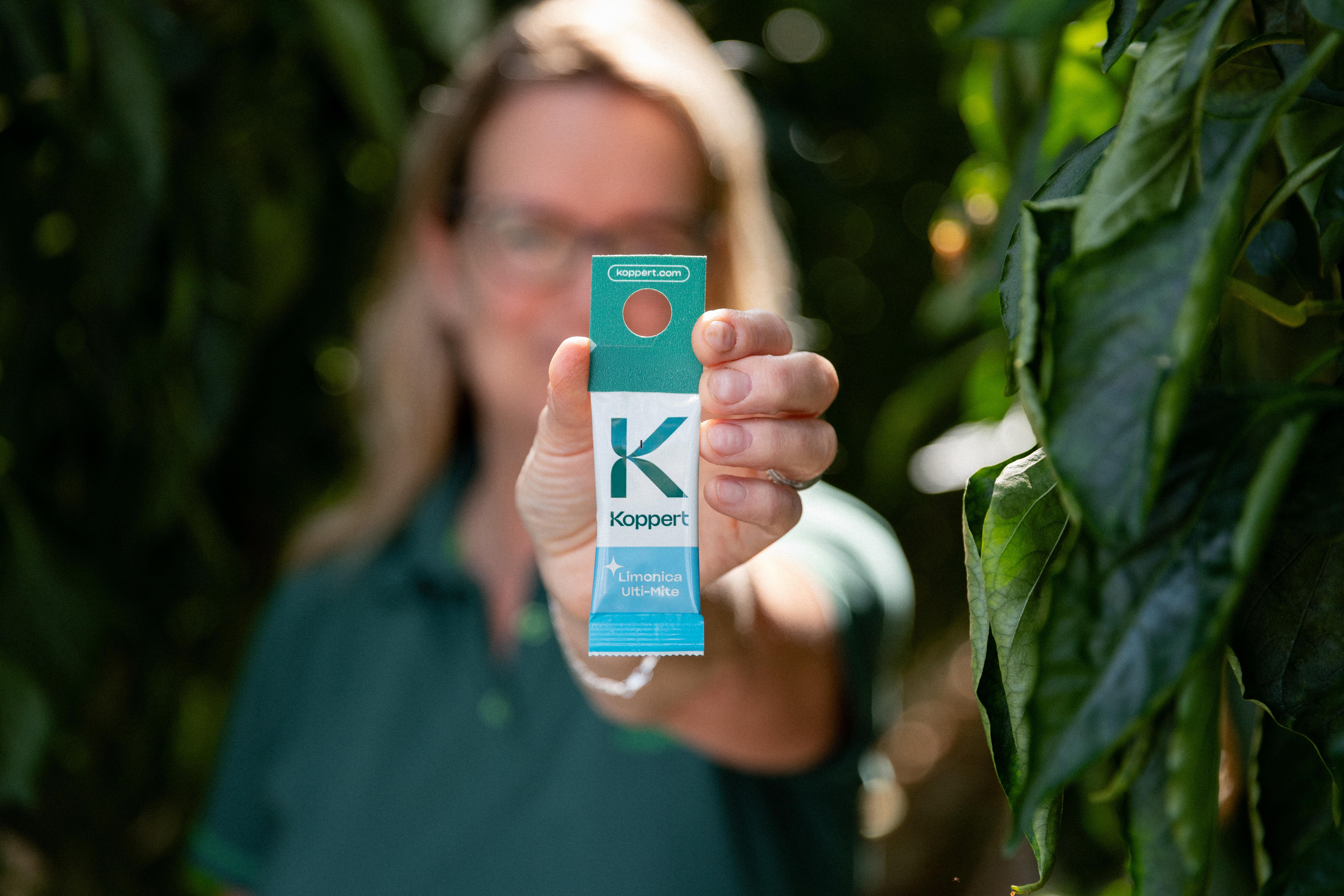
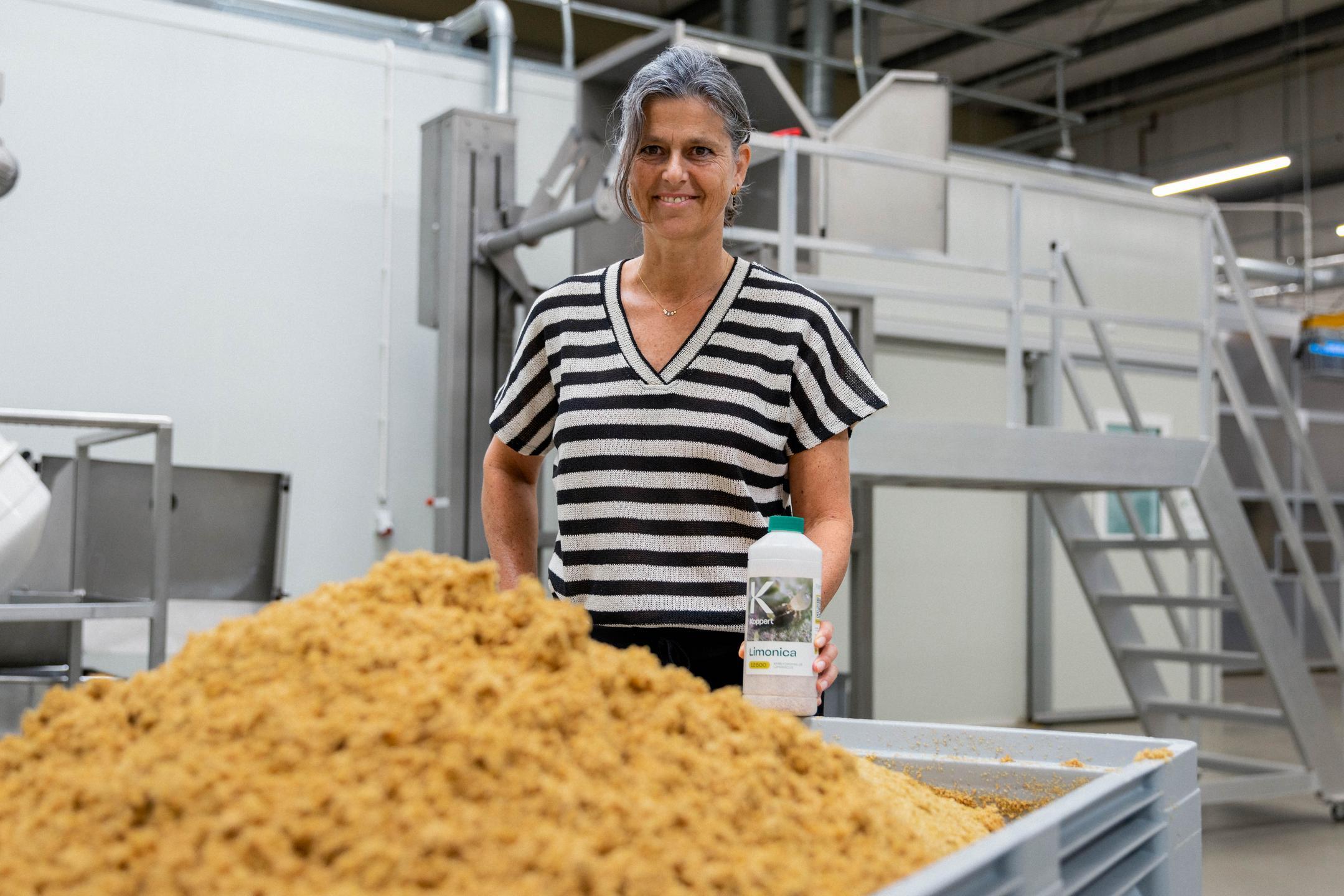

They didn’t stop there. In citrus cultivation, they replaced chemical controls of two spotted spider mites with Amblyseius californicus — marketed as Spical — marking a milestone in expanding biocontrol beyond the greenhouse. In recent years, the team has introduced two more powerful allies: Amblydromalus limonicus and Transeius montdorensis. These predatory mites now form the backbone of protocols tackling invasive pests like Thrips parvispinus and Scirtothrips in peppers.
The power of mites and the role of research
Why predatory mites? The answer lies in their effectiveness, adaptability, and ability to establish long-term presence in crops. Unlike parasitoids, predatory mites can remain active throughout the season, even under challenging conditions. This reliability made them the cornerstone of many integrated pest management (IPM) strategies in the region.
Behind these successes is a solid foundation of research. From lab screenings to experimental greenhouses and full-scale commercial trials, Koppert Spain developed a rigorous pipeline to ensure each solution works in real Mediterranean conditions.
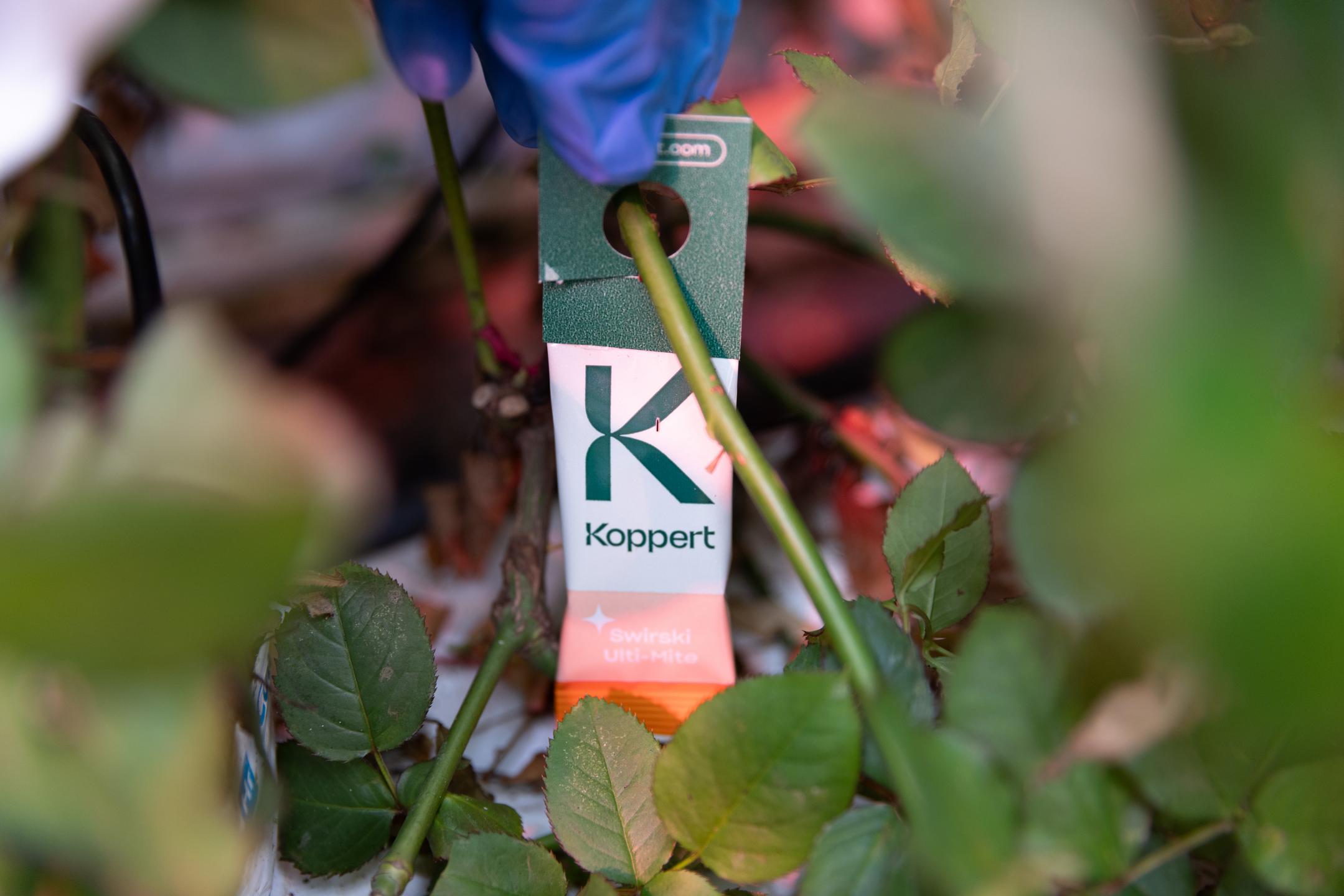
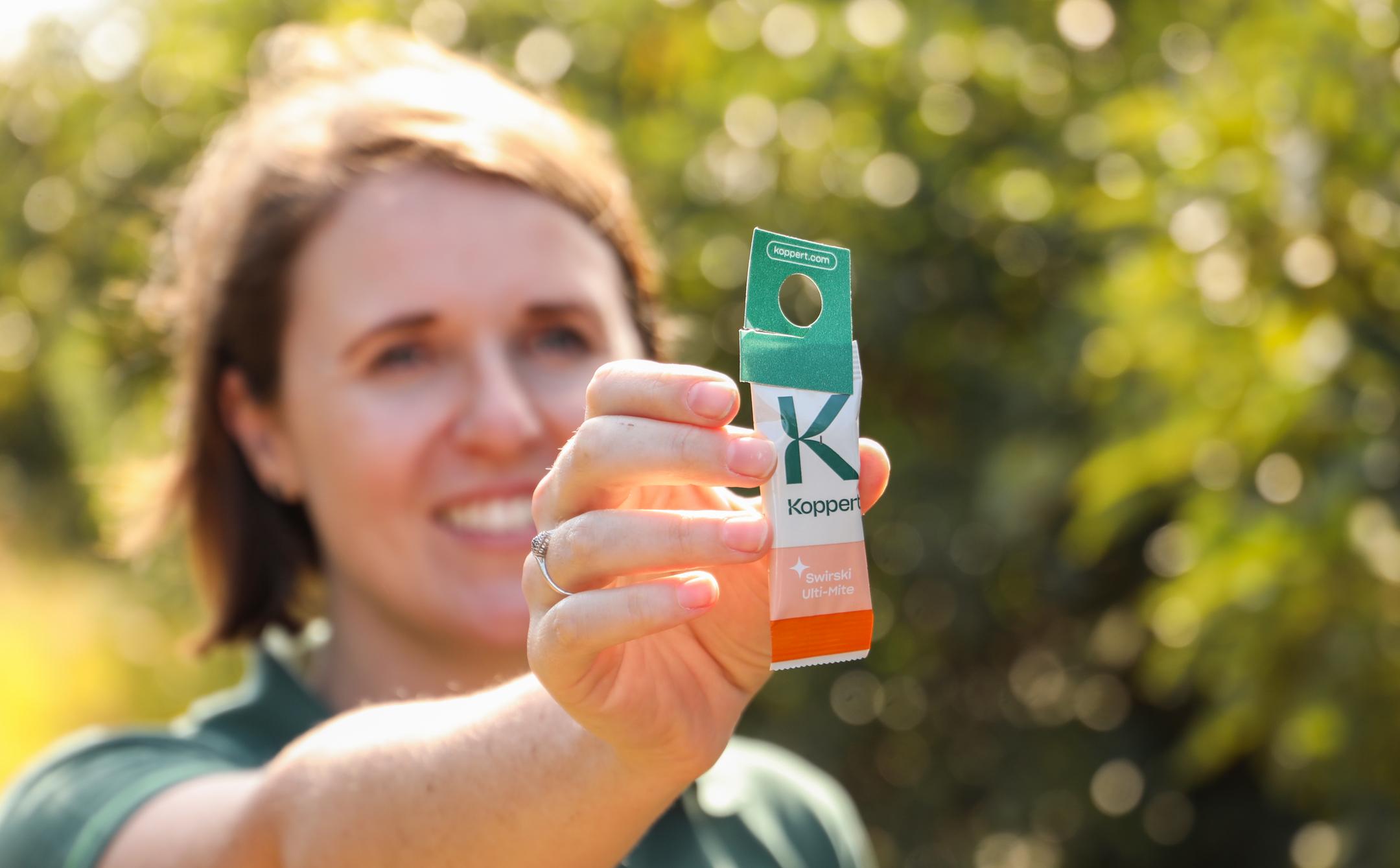
“Our research approach is classic but powerful — from lab to greenhouse to field. And we’ve adapted formats too, like Ulti-Mite sachets, to withstand heat and humidity.”
Looking ahead: predatory mites in outdoor crops and global impact
Today, the demand for biocontrol in fruit trees and open-field crops is growing rapidly. And once again, predatory mites are leading the way. Natural populations of predatory mites already exist in some crops and regions. But reinforcing them with strategic releases of Koppert’s solutions has shown great promise. Combined with microbiologicals, these products form an increasingly effective defence against pests - without the downsides of chemicals.
The influence of the Spanish research department in Almería and Águilas, now extends beyond Spain. What started as a small team focused on adapting Koppert solutions to Mediterranean crops has become a globally relevant R&D hub. “Our growth - in people, projects, and expertise - all traces back to the success of predatory mites. They were key to building a biocontrol ecosystem that works for growers, in all climates.”