
Skip to content

Grapevine powdery mildew (Erysiphe necator) is a widespread fungal disease that poses a serious threat to commercial viticulture worldwide. The pathogen (also known as Uncinula necator) infects all green vine tissues, including leaves, shoots, flowers, and grape clusters, causing yield losses, reduced fruit quality, and increased risk of bunch rot. Powdery mildew thrives under warm and humid conditions; however, unlike most other grapevine pathogens, it does not require free water (such as rain or dew) to infect, making it a persistent threat throughout the entire growing season. Early detection and preventive, integrated management are critical for effective control strategies.

Biological solutions for Grapevine powdery mildew

Filters:
Clear all filters
Show all Show less
products found:

Questions or need help?

Contact us
  • Easy to use
  • Minimal resistance
  • No chemical residues
  • No pre-harvest intervals

Learn more about

Signs and damage symptoms of Grapevine powdery mildew

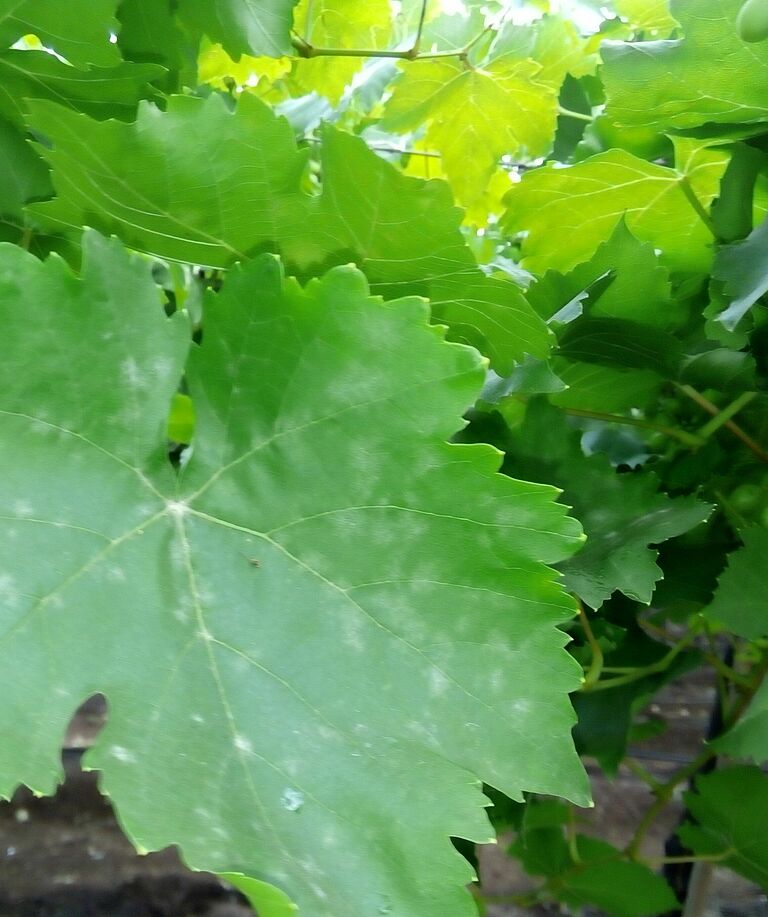
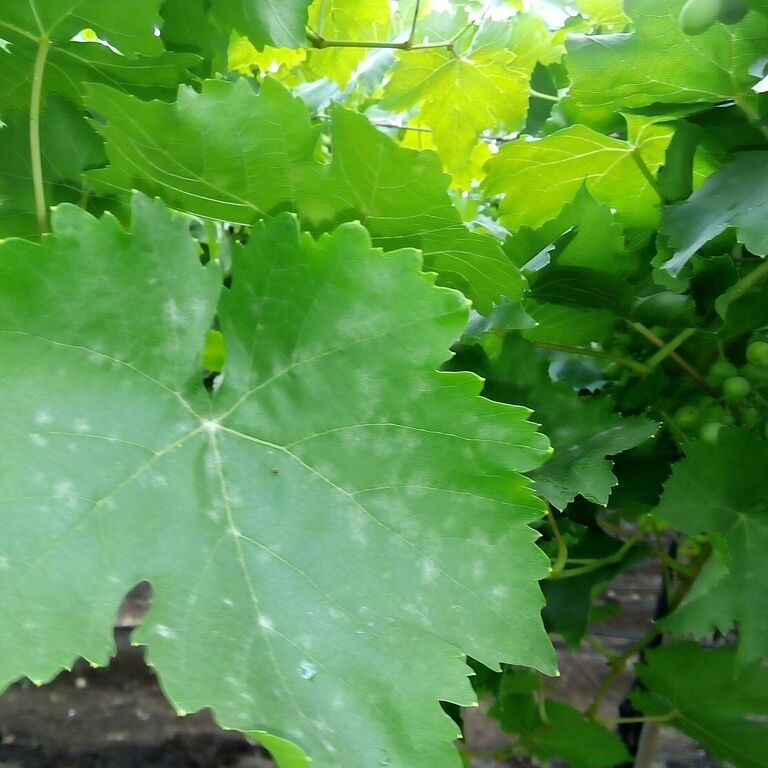
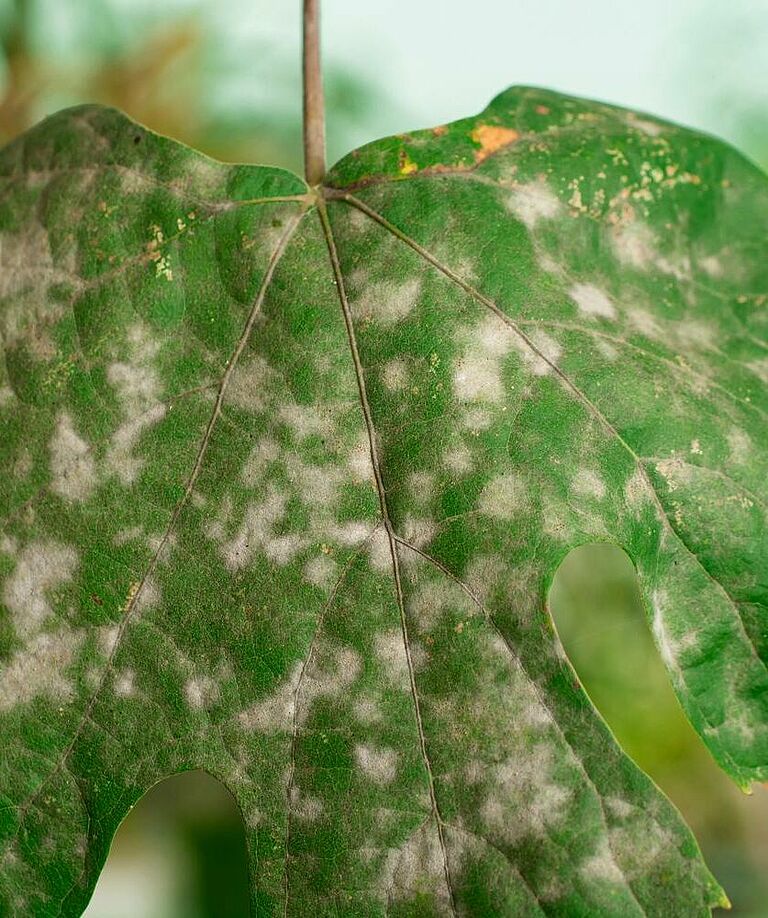
Symptoms of grapevine powdery mildew vary according to the phenological growth stage and the severity of the infection. Early signs manifest as chlorotic (pale green to yellow) spots, which rapidly develop into the characteristic white to grey powdery mycelium.

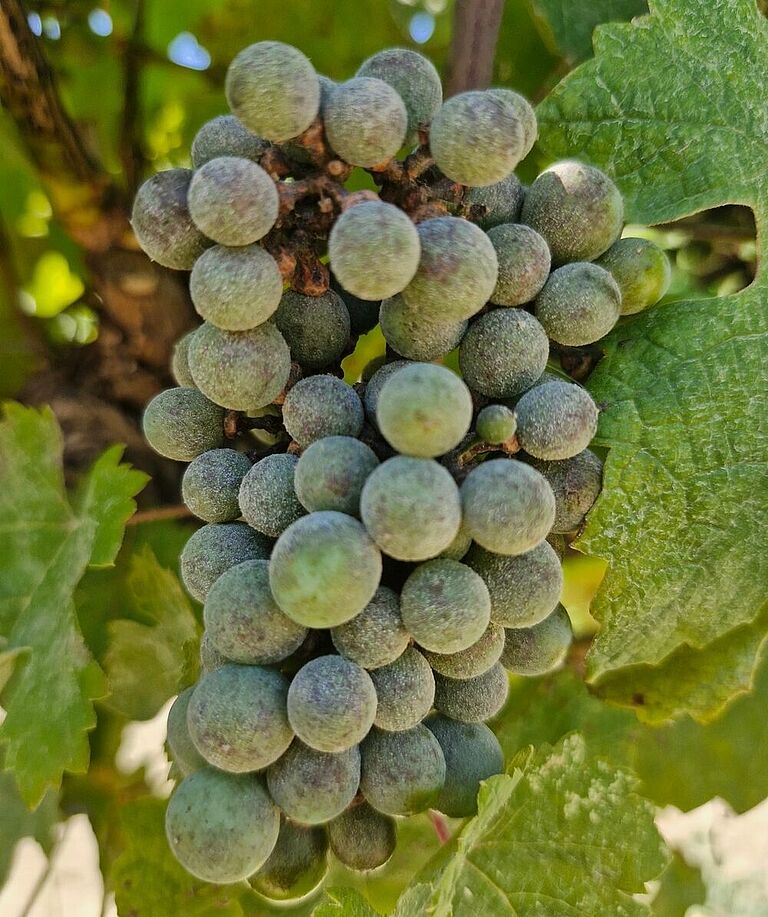
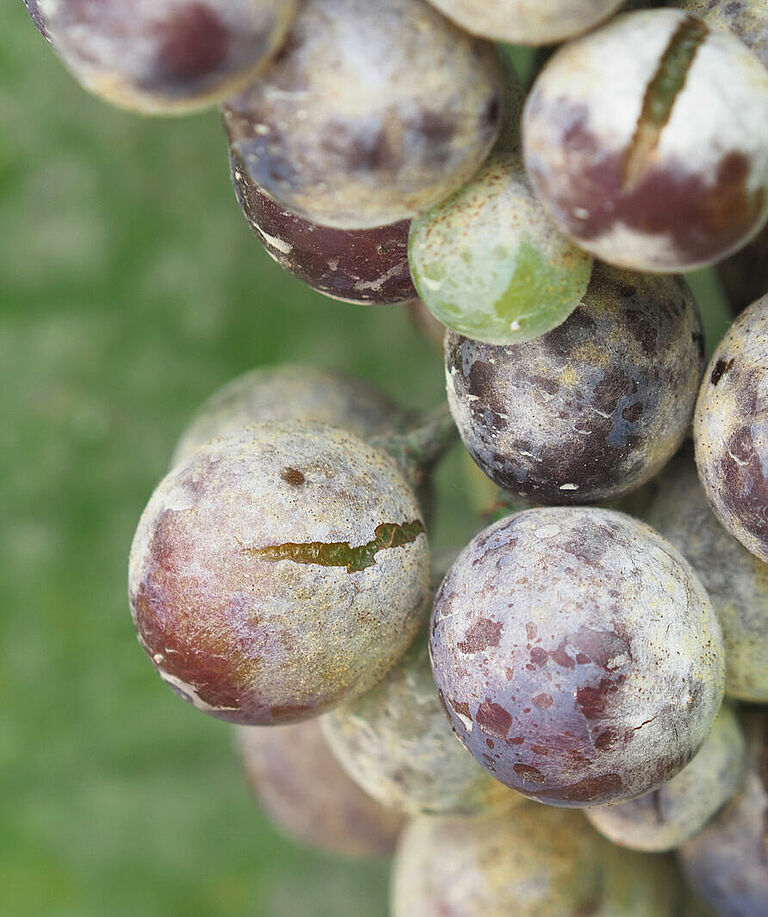
As the infection intensifies, affected leaves suffer a marked reduction in photosynthetic capacity, while shoots and flowers exhibit stunted growth and poor fruit set. During berry development, the pathogen colonizes the epidermis, causing the skin to lose elasticity. This frequently leads to berry cracking, which severely compromises fruit quality and serves as a primary entry point for secondary infections, such as Botrytis bunch rot.

Leaf symptoms

  • Pale green to yellowish spots on the upper leaf surface
  • Development of white to grey, powdery fungal growth
  • Powdery coating may also appear on the underside of leaves
  • Leaf curling, distortion, and brittleness as infection progresses
  • Reduced photosynthetic activity and weakened vine vigor

Shoot and tendril symptoms

  • White, powdery patches on young shoots and tendrils
  • Reduced shoot elongation and poor lignification
  • Increased susceptibility to mechanical damage and stress
  • Weakened shoot growth affecting canopy structure and fruit support

Flower and cluster symptoms

  • Infection of flowers and young clusters during flowering
  • Poor fruit set and increased flower drop
  • Uneven and abnormal cluster development
  • Powdery coating on clusters resulting in loose, misshapen bunches
  • Reduced yield potential

Berry symptoms

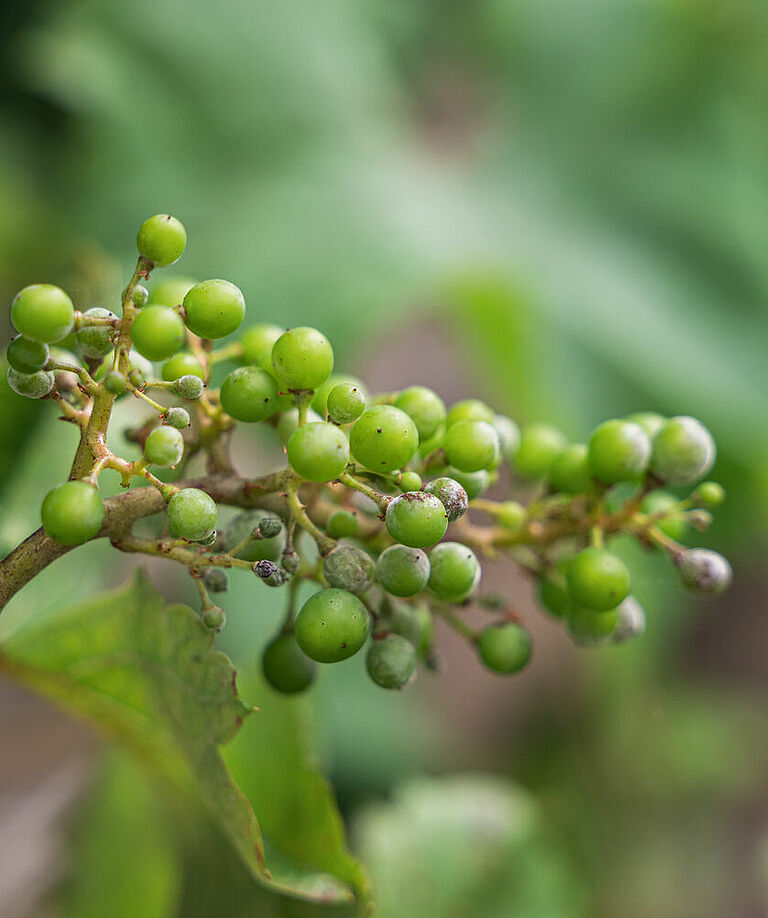
  • High susceptibility from fruit set until veraison
  • White to grey powdery fungal growth on berries
  • Inhibited berry expansion and abnormal development
  • Cracking of berry skin as fruit enlarges
  • Increased risk of secondary infections such as Botrytis
  • Reduced grape quality, sugar accumulation, aroma and marketability
Management of grapevine powdery mildew

Effective management of grapevine powdery mildew (Erysiphe necator) relies on an integrated approach that combines prevention, rigorous monitoring, and well-timed interventions. Because the disease can proliferate rapidly in the absence of free moisture, management strategies must prioritize suppressing primary inoculum early in the season. Consistent control throughout the crop cycle is essential to prevent late-season outbreaks that can compromise both the current harvest and the following year's crop health.

Cultural and preventive measures

Canopy management practices such as pruning, shoot thinning, leaf removal, and proper trellising improve air circulation and light penetration, reducing humidity within the canopy and limiting favorable conditions for powdery mildew development. Selecting less susceptible cultivars where possible, maintaining good vineyard hygiene, and applying balanced fertilization (particularly avoiding excessive nitrogen) also help minimize disease pressure early in the season. Beyond natural wind, agricultural activities (specifically the use of high velocity air blast sprayers) can generate localized turbulence that facilitates spores dispersal.

Biological control of grapevine powdery mildew

Biological control plays an important role in integrated powdery mildew management programs for grapes. Biological solutions based on Willaertia magna C2c Maky can be applied preventively to support natural disease suppression and strengthen IPM strategies. These solutions help reduce pathogen pressure, support resistance-management programs by lowering reliance on chemical fungicides and are compatible with sustainable viticulture practices.

The free-living amoeba Willaertia magna C2c Maky is known for its ability to produce a broad spectrum of bio-active compounds involved in microbial interactions. When used as a lysate, these compounds support plant protection through a dual mode of action: acting on the plant surface while also activating the plant’s natural defense mechanisms. This makes Willaertia magna–based solutions particularly well suited for the preventive management of grapevine powdery mildew.

Tiagan is Koppert’s biofungicide for the control of grapevine powdery mildew and is based on a lysate of Willaertia magna C2c Maky. It contains a unique spectrum of bio-active compounds that provide dual protection when applied preventively.

Lifecycle of Grapevine powdery mildew

The lifecycle of grapevine powdery mildew (Erysiphe necator) is closely synchronized with the vine growth stages and environmental conditions. Understanding its lifecycle is essential to implementing effective, preventive disease management strategies in commercial vineyards.

The pathogen overwinters through two primary mechanisms: as dormant mycelium within infected buds or as chasmothecia (sexual fruiting bodies) attached in the bark crevices and plant debris. In spring, chasmothecia release ascospores during periods of favorable temperature and moisture, initiating primary infections on susceptible young tissues (leaves, shoots, and inflorescence). In some regions, infected buds can produce ‘flag shoots’ that serve as early sources of infections.

Once established, the fungus transitions into its asexual phase, producing large quantities of conidia. These spores are highly adapted for aerial dispersal, distributed by wind and atmospheric turbulence throughout the vineyard.

These secondary infections can occur repeatedly during the growing season, leading to an exponential increase in disease pressure between flowering and early berry development. As the season concludes, the fungus forms chasmothecia to ensure its survival through the winter. Given the polycyclic nature, preventive measures and early-season management are critical to break the cycle before the pathogen reaches a high reproductive capacity.

Need help?