Management of target spot in soybean
Effective control of target spot requires an integrated approach combining cultural practices, monitoring and biological control.
Cultural practices
Reducing pathogen survival and avoiding conditions that favour disease build-up can help limit target spot pressure.
- Manage crop residues: Clear fields thoroughly of infected plant residues after harvest.
- Crop rotation: Rotate soybean with non-host crops and avoid continuous soybean monoculture in the same field.
- Crop timing: Earlier planting and early-maturing varieties may help avoid periods of peak disease pressure.
- Variety selection: The supplied disease guidance recommends high-yielding varieties to help limit the economic impact of disease.
Monitoring target spot in soybean
Regularly inspect the lower canopy, where target spot generally first develops.
Inspect crops for:
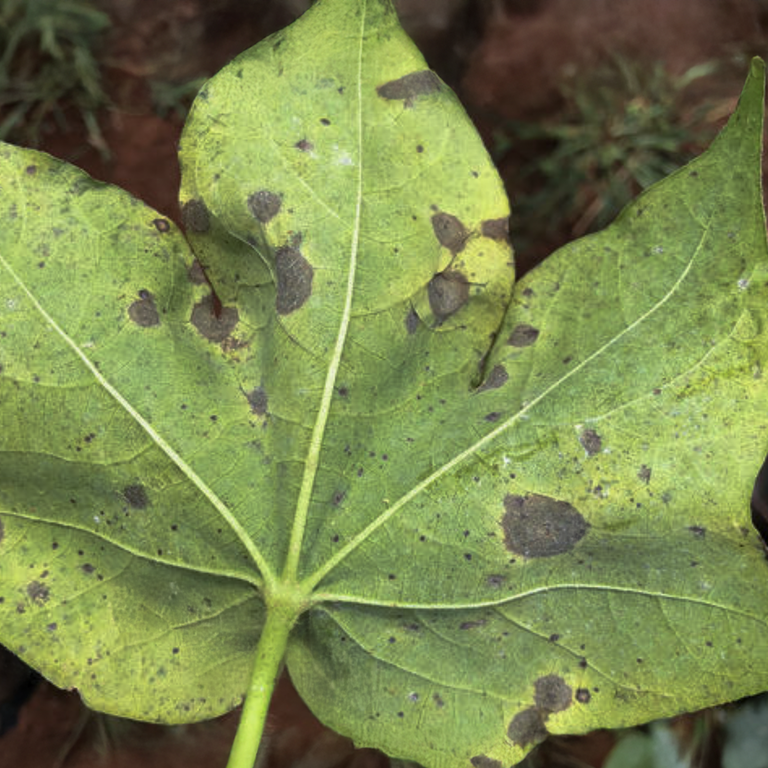
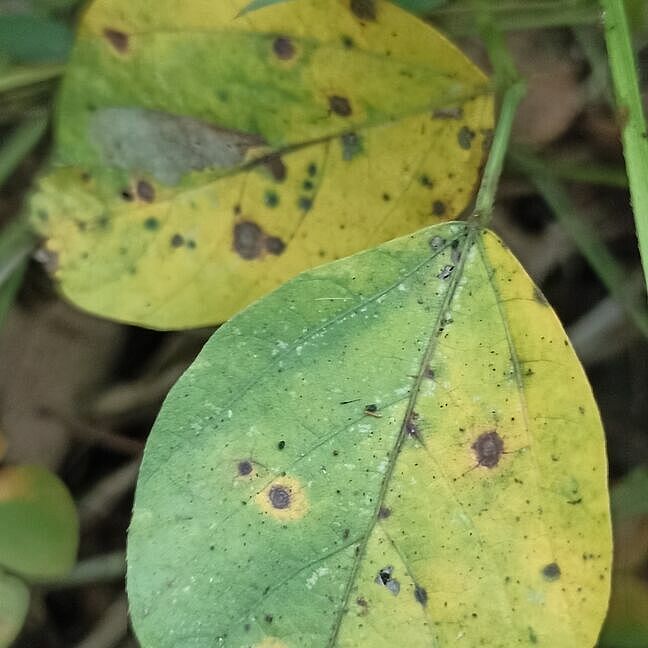
- Dark-brown leaf lesions
- Concentric rings within lesions
- Yellow halos
- Shot-hole symptoms in older lesions
- Disease progression towards the upper canopy
- Premature defoliation
Biological control of target spot in soybean
Macan can be used to prevent and control target spot caused by Corynespora cassiicola. Its beneficial bacterium, Bacillus velezensis CECT 8237, colonises the leaf surface and competes with fungal pathogens for space and nutrients. It also produces metabolites that disrupt fungal development.
For target spot, Macan is recommended preventively or at the beginning of the first disease symptoms.