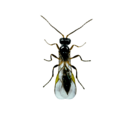
Biological control of leaf miners Leaf miners are damaging pests that tunnel through leaves, reducing photosynthesis and weakening plant growth. Their feeding patterns cause visible leaf damage, lower
Biological control of whitefly Whiteflies are common pests in greenhouse and field crops, feeding on plant sap and transmitting harmful viruses. Their feeding weakens plants, causes leaf yellowing and
Biological control of spider mites and other mites Spider mites and other mite species can rapidly infest greenhouse and field crops, feeding on plant cells and causing leaf discoloration, reduced pho
General Although it was first described in 1860, the cannabis aphid ( Phorodon cannabis ; a.k.a. bhang aphid or hemp aphid) is a very new pest to North America. It was first seen on cuttings originati
Biological control of leafhoppers Leafhoppers are highly mobile, sap-sucking pests that feed on plant leaves, causing discoloration, stippling and leaf curling. Their feeding reduces photosynthesis, w
General Stink bugs belong to the family Pentatomidae (true bugs) and derive their name from the strong odour that they emit from scent glands when disturbed. The Southern green stink bug ( Nezara viri
Rooted in purpose, growing with integrity Our 2024 Sustainability Report captures a year of sharpened focus. Our mission remains clear: contributing to better health for people and the planet through
Diseases Grape downy mildew ( Plasmopara viticola ) and Grapevine powdery mildew ( Erisyphe necator ). Crops Grapevine and table grapes. Mode of action Tiagan contains a unique spectrum of bio-active
Spider mites are among the most destructive pests in horticulture, damaging crops rapidly and thriving in hot, dry conditions. Their resistance to chemical pesticides makes biological control a critic