

Control downy and powdery mildew
Tiagan is Koppert’s fungicide for the effective control of the key foliar diseases in grapevine; grape downy mildew (Plasmopara viticola) and grapevine powdery mildew (Erysiphe necator). Tiagan is based on a novel biological active ingredient derived from a single-celled, non-pathogenic amoeba. The lysate of a specific strain, Willaertia magna C2c Maky, delivers proven fungicidal activity against grapevine foliar diseases and is developed to ensure consistent quality and performance.
Tiagan supports sustainable agriculture and IPM with effective disease control and a low environmental footprint. It is compatible with biological and chemical programs and comes in an easy-to-use, rainfast liquid formulation for reliable performance in diverse field conditions. The product is available in France and is being introduced to additional European grape-growing markets and the United States.

Development
Tiagan has been developed through years of dedicated research. It provides an effective biocontrol solution against the two most important diseases affecting grapes in Europe: downy mildew (Plasmopara viticola) and powdery mildew (Erysiphe necator). The efficacy of Tiagan has been demonstrated in more than 100 field trials conducted at research stations worldwide, as well as through on-farm evaluations with grape growers under commercial field conditions.
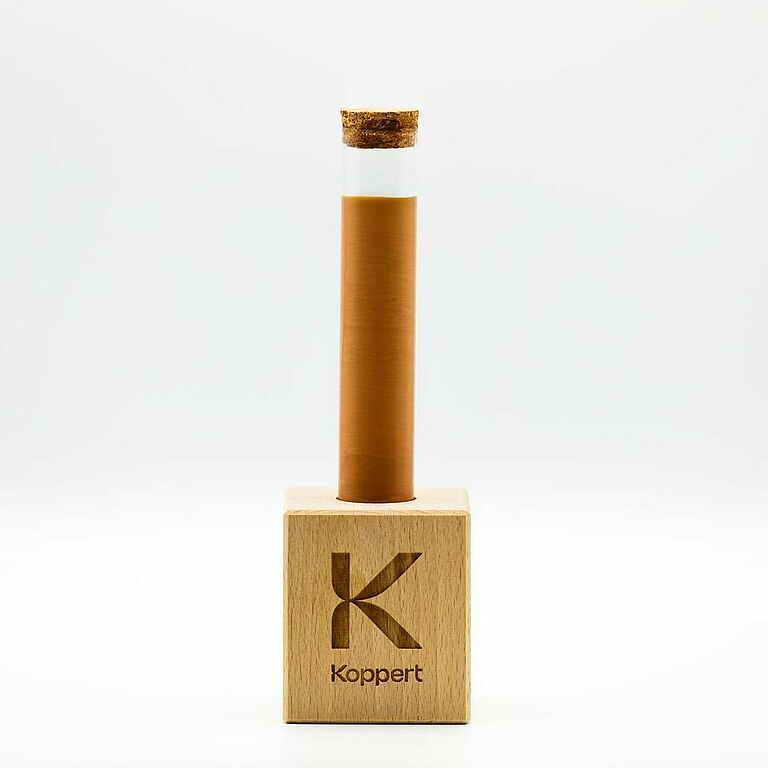
Advantages of Willaertia magna C2c Maky
-
Effective disease control
Contributes to reliable control of both downy mildew (Plasmopara viticola) and powdery mildew (Erysiphe necator) in grapes.
-
Dual way of protection
Direct protectant activity plus enhanced plant defense via PR-gene activation.
-
Low resistance risk
A unique active ingredient with a multi-target mode of action with a very low risk on resistance development.
-
Reduced reliance on copper and sulfur
Helps lower dependence on copper- and sulfur-based products and supports compliance with legal and regulatory limits.
-
No detectable residues
Leaves no residues on grapes, supporting quality production and market requirements.
-
Rain-fast formulation
Easy-to-use liquid formulation with good rain fastness, maintaining performance after rainfall of up to 20 mm.
-
High compatibility
Compatible with most biological and chemical crop protection products.
-
Safe and sustainable
Safe for plants, users, beneficial organisms, and the environment, supporting sustainable grape production.
Tiagan mode of action
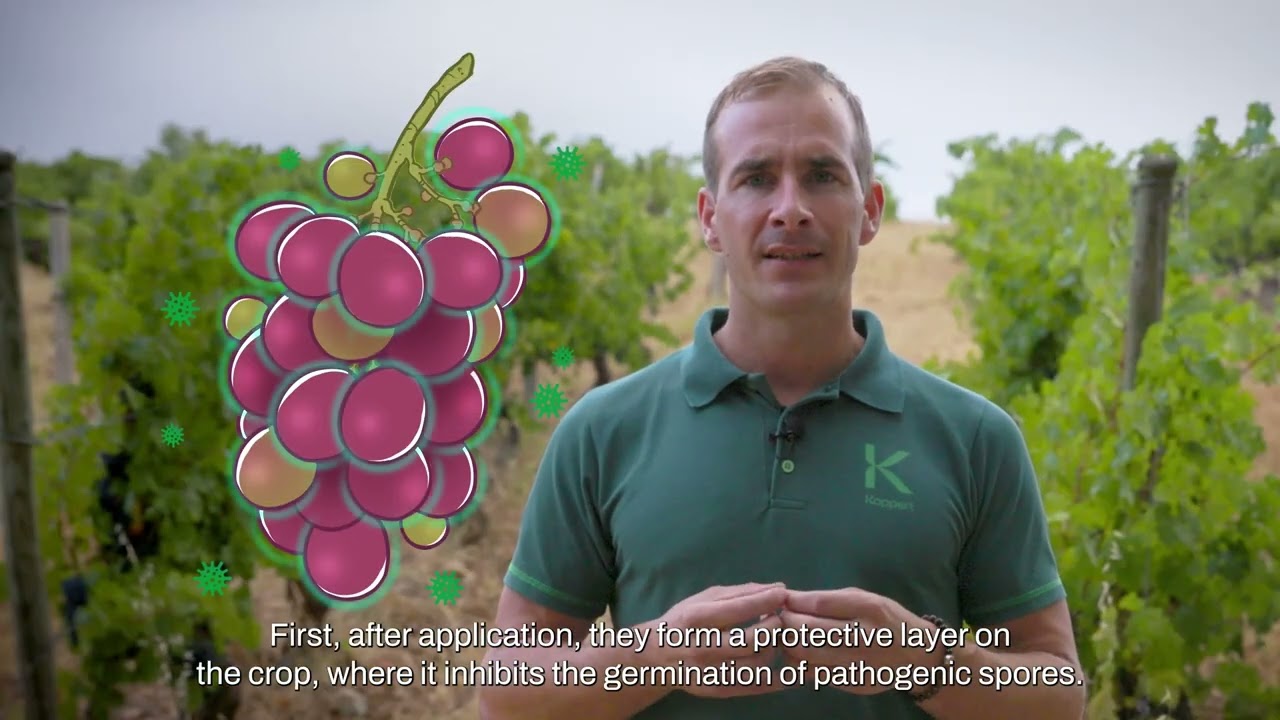
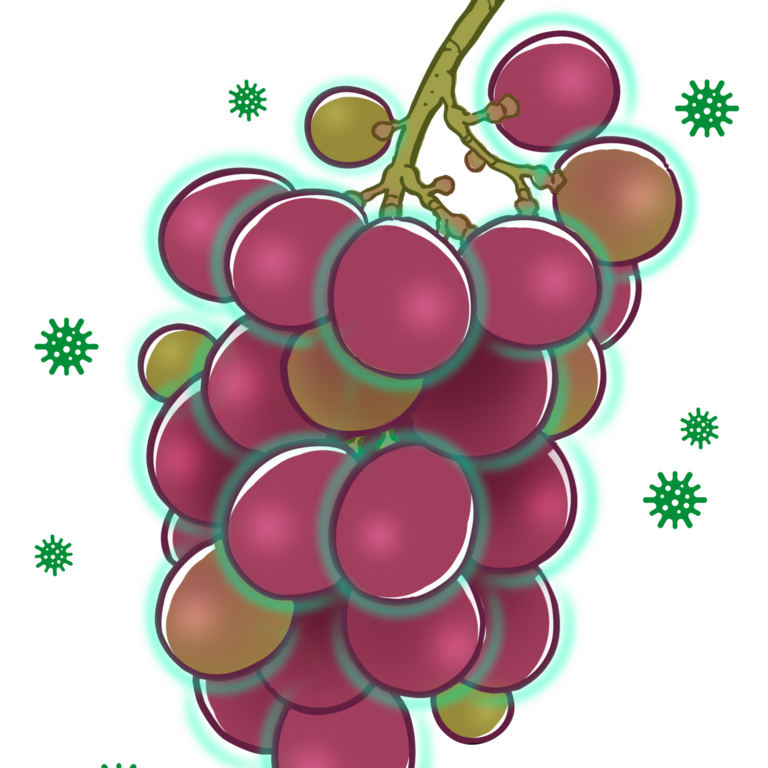
Tiagan provides effective protection against grapevine foliar diseases through a dual mode of action. First, it's bio-active compounds form a protective layer on the plant surface, preventing the germination of pathogenic spores. This preventive barrier protects grapevine leaves, stems, and grapes, helping to reduce infection pressure from foliar pathogens.
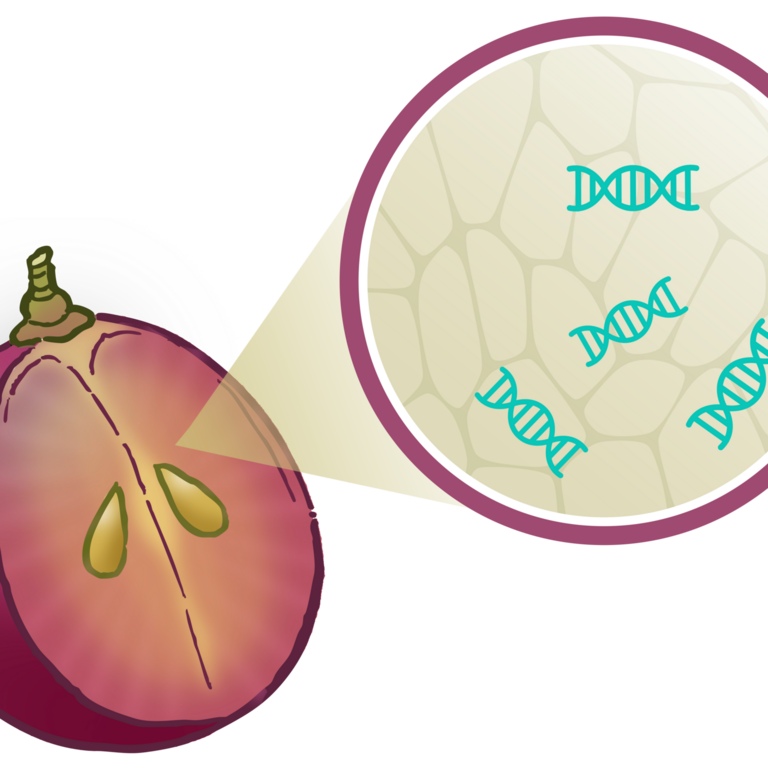
In addition, Tiagan activates the plant's natural defense mechanisms by upregulating pathogenesis-related (PR) genes. These genes encode PR proteins that play a key role in plant immunity by inhibiting pathogen growth and development, including the degradation and disruption of microbial cell walls.
Application of Tiagan
Tiagan is designed for foliar applications in grapevines and can be easily applied using conventional spraying equipment. It can be used throughout the growing season to support the preventive control of grapevine foliar diseases, including downy mildew (Plasmopara viticola) and powdery mildew (Erysiphe necator).
For optimal protection of grape bunches, applications are recommended at weekly intervals from fruit set onwards. This ensures consistent preventive coverage during critical stages of disease development and helps maintain effective disease control under field conditions. Tiagan can be applied in programs with reduced rates of copper- and sulfur-based products, while maintaining or improving overall efficacy. Its flexible use allows seamless integration into existing disease management strategies and integrated pest management (IPM) programs for grape production.