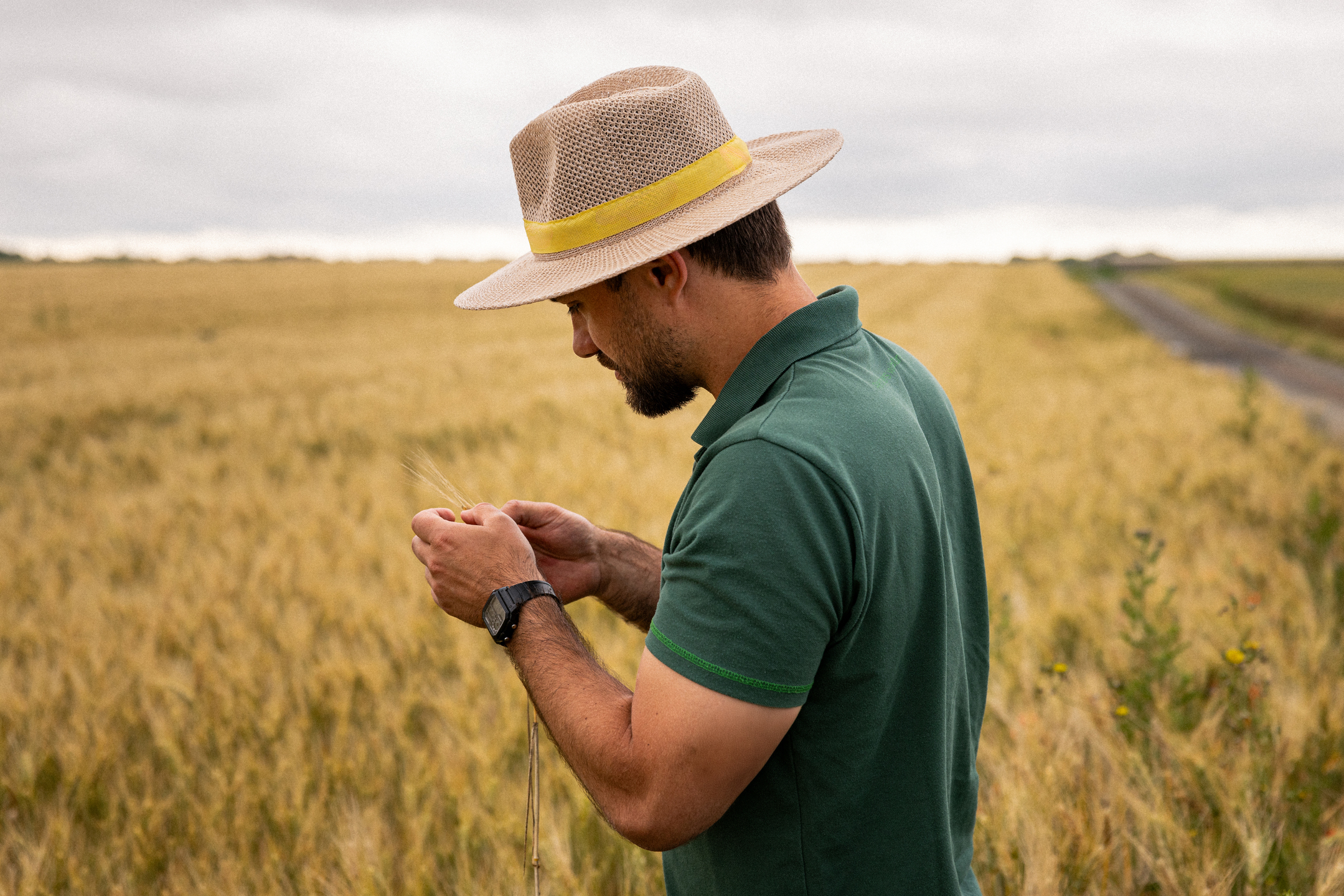
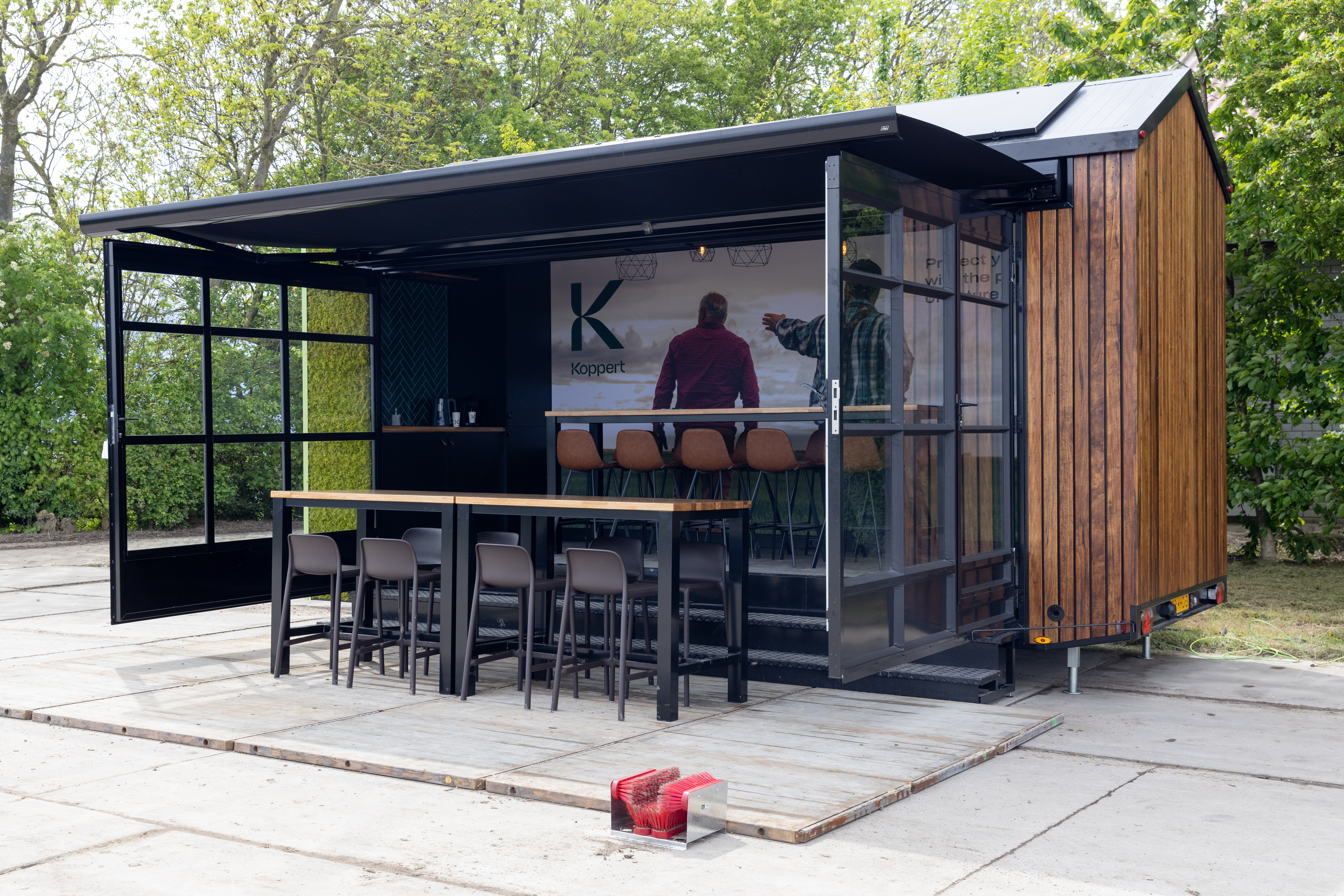
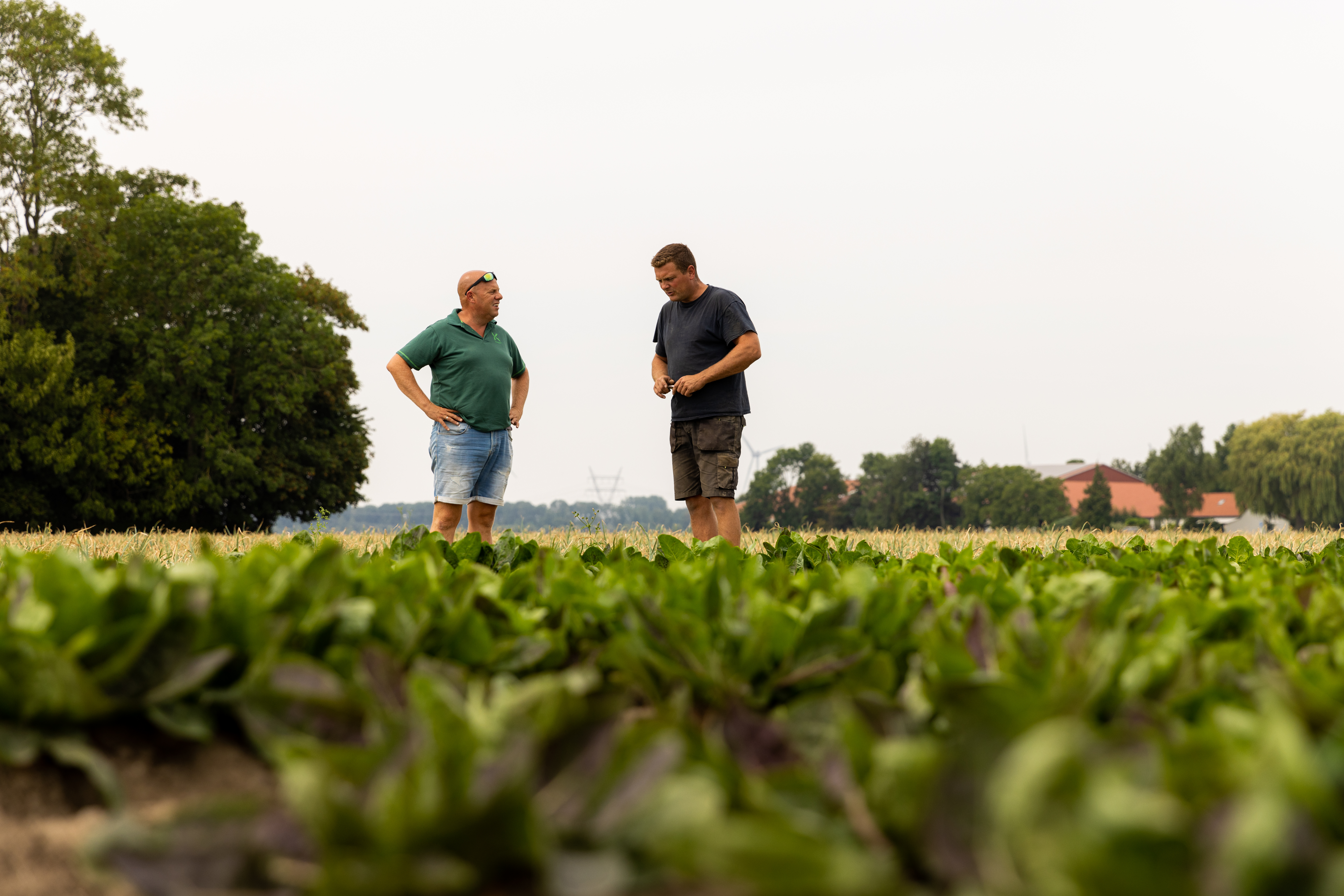
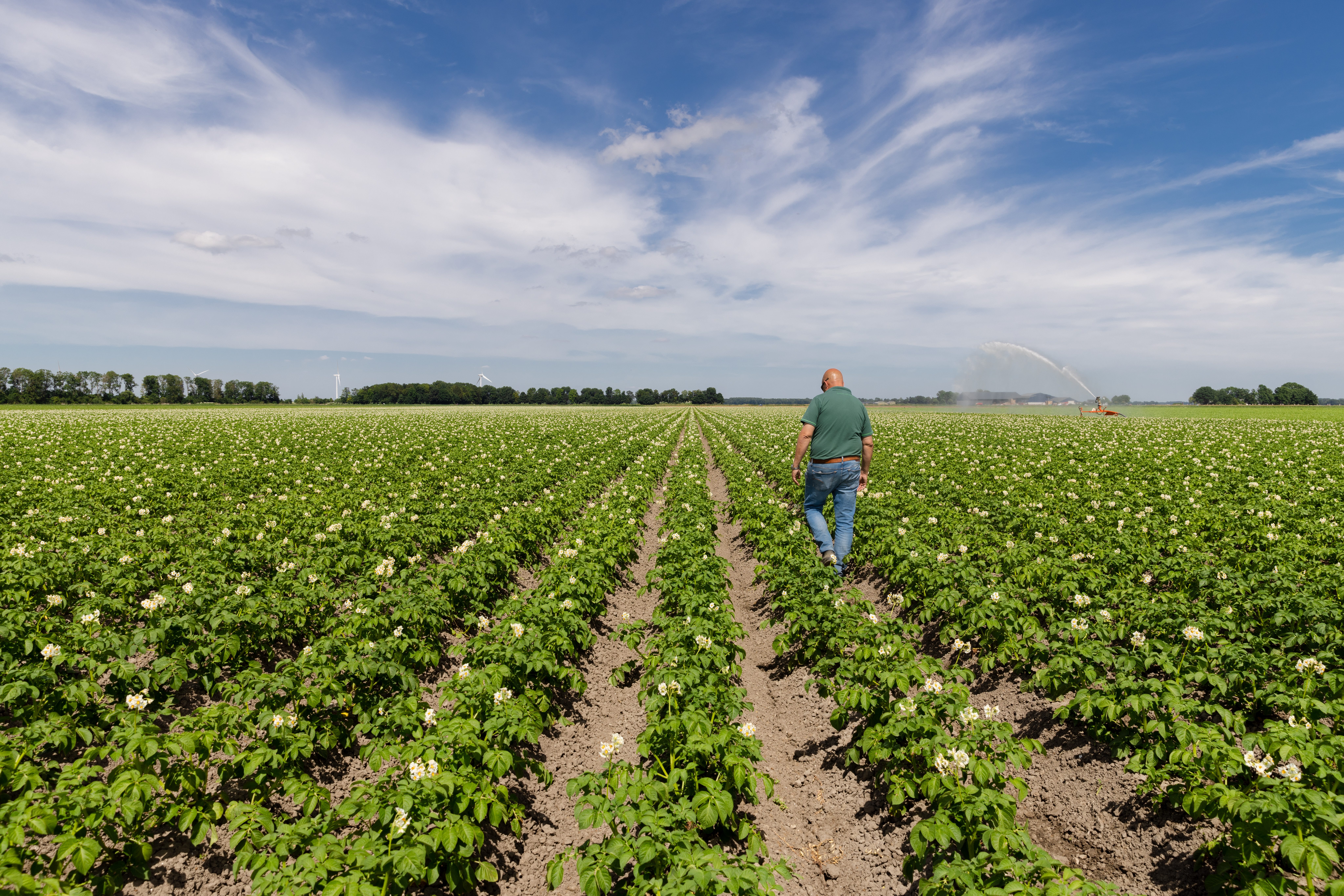
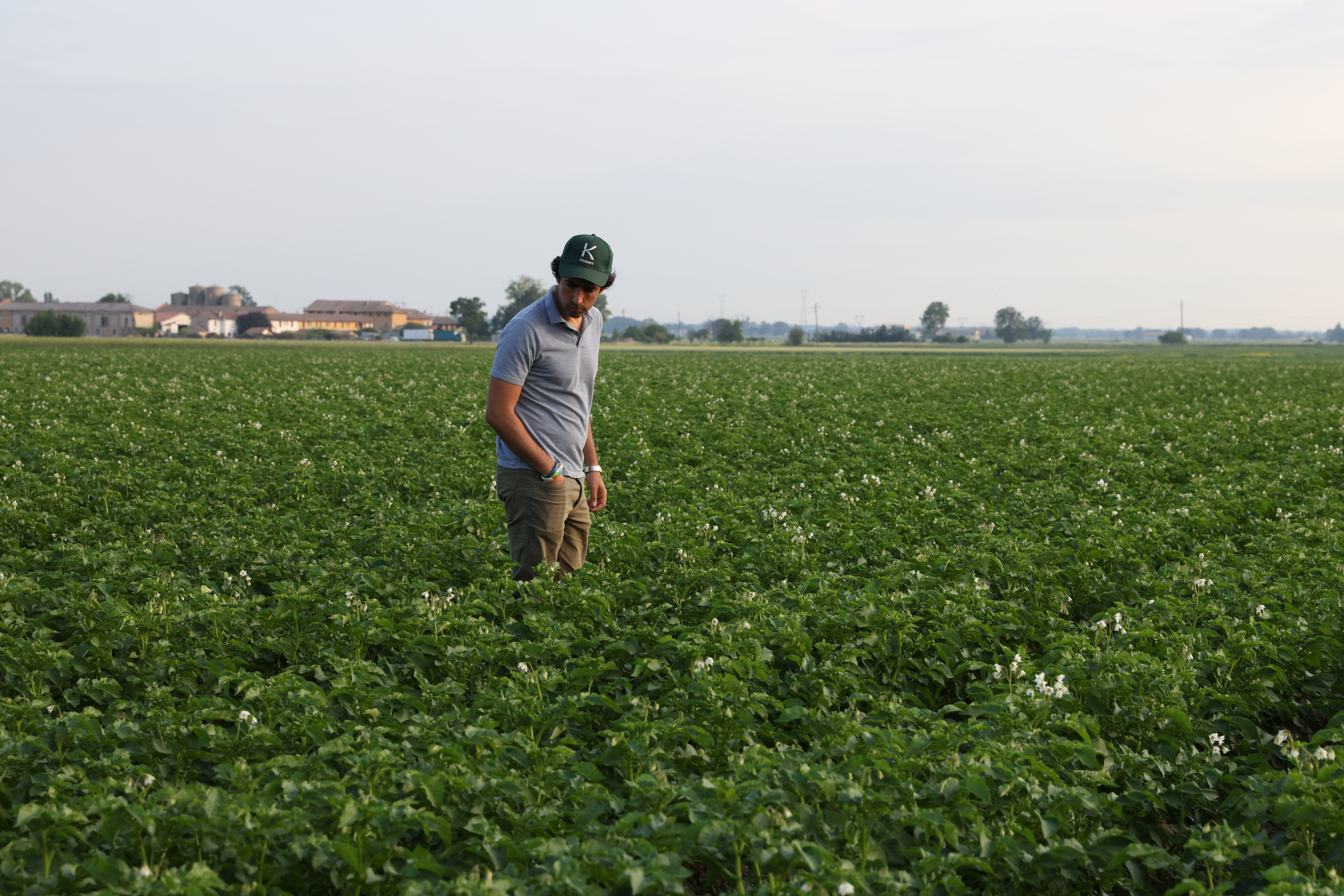
In fields all over Europe, the UK, South Africa and the Americas, the Koppert team will be partnering with growers in pursuit of healthier crops and more robust yields. The biological crop protection solutions that yielded excellent results in previous trials will be making their return, from micro-organisms to beneficial insects that visibly and invisibly help restore balance in nature.
Climate, geography, timing and application methods; they each affect the efficacy of biological crop protection solutions. This summer, Koppert is continuing its tradition of showcasing biocontrol methods in partnership with growers around the world. Because the ultimate test of our products is their performance in real-world conditions and the return on investment for the businesses who trust in us. The goal of the 2024 trial season is twofold: to continue exploring the potential of our solutions, for example in wider temperature ranges and new crop varieties, and to showcase the added value of biocontrol methods in outdoor crops to growers and value chain partners everywhere.
More trials in more countries
With roughly 300 demo trials planned for the 2024 season, Koppert is doubling down. “We spent the 2023 growing season learning from growers, collecting and analysing the results from 116 trials in France, Italy, the Netherlands, Poland and Spain,” explains Market Development Manager Felipe Mendonça. “Now we are confidently expanding our reach, expecting to see similarly robust results in and outside of Europe.”
Bringing proven solutions to row crops
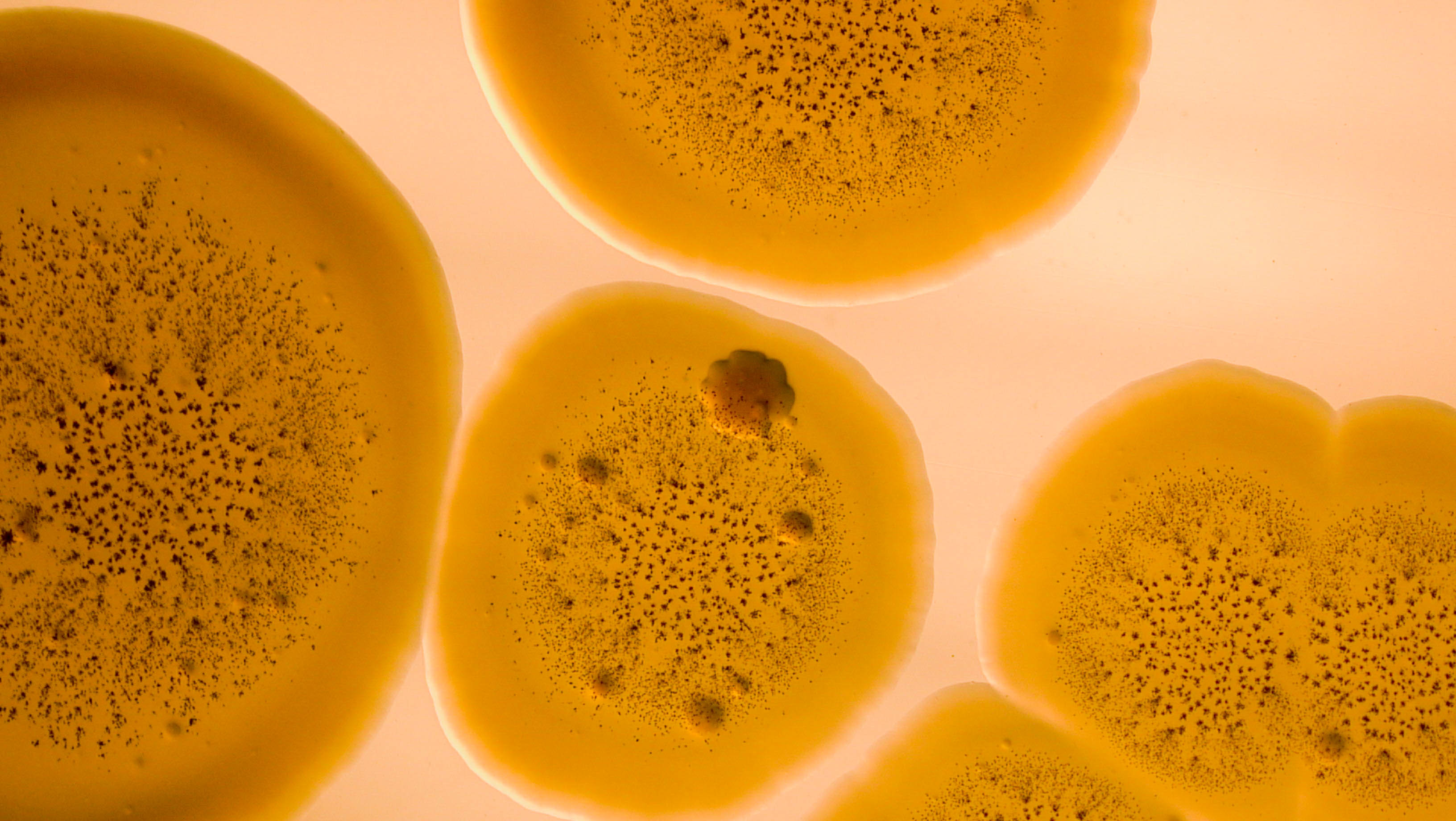
Over the years, the fungus and biological fungicide Trichoderma harzianum has earned its reputation as a reliable solution for the control of soilborne diseases in outdoor crops. In the United States, growers are set to experience the benefits of this versatile fungus in row crops such as corn and soybeans. “In Europe, we saw an excellent return on investment as a result of fewer plant losses and higher quality crops, specifically in processing tomatoes and potatoes,” says Felipe. “We expect Trichoderma harzianum to produce similarly valuable results in row crops in the US.’
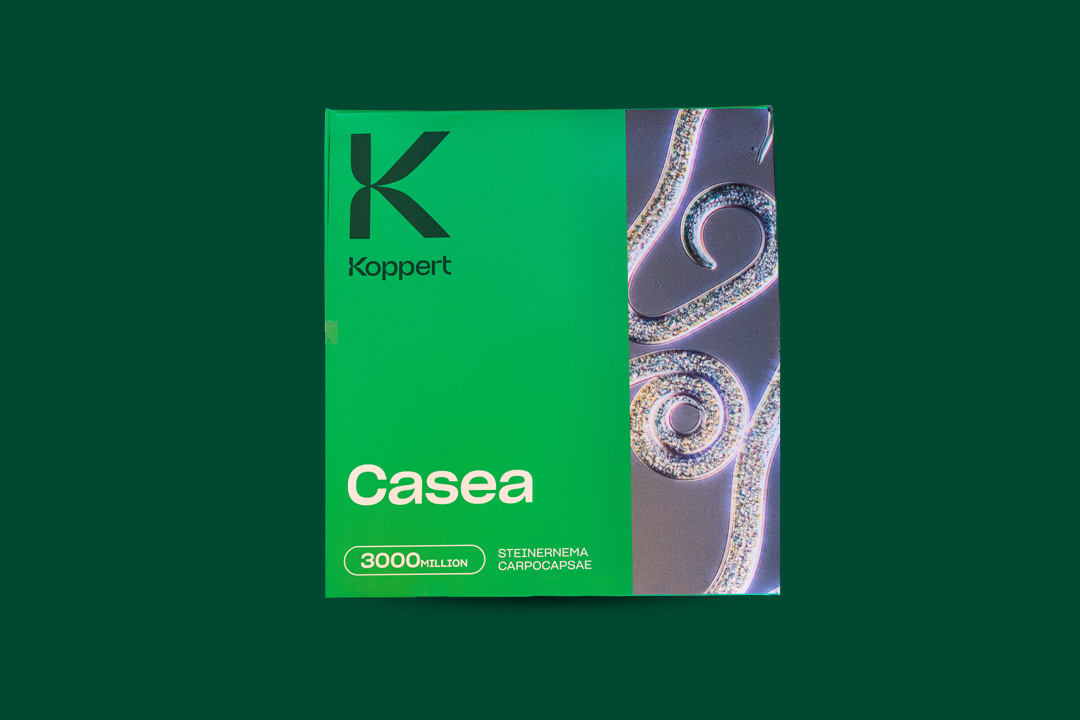
In 2023, Koppert's beneficial nematodes endured a trial by fire. In soils highly infested with wireworms, the Casea nematode solution decreased damage to potato tubers by 30 percentage points compared to untreated fields and significantly outperformed chemical solutions. These results gave plenty of cause to expand the trials to the UK, France and Germany to help restore soil health and reduce wireworm populations.

Filling gaps with beneficial insects
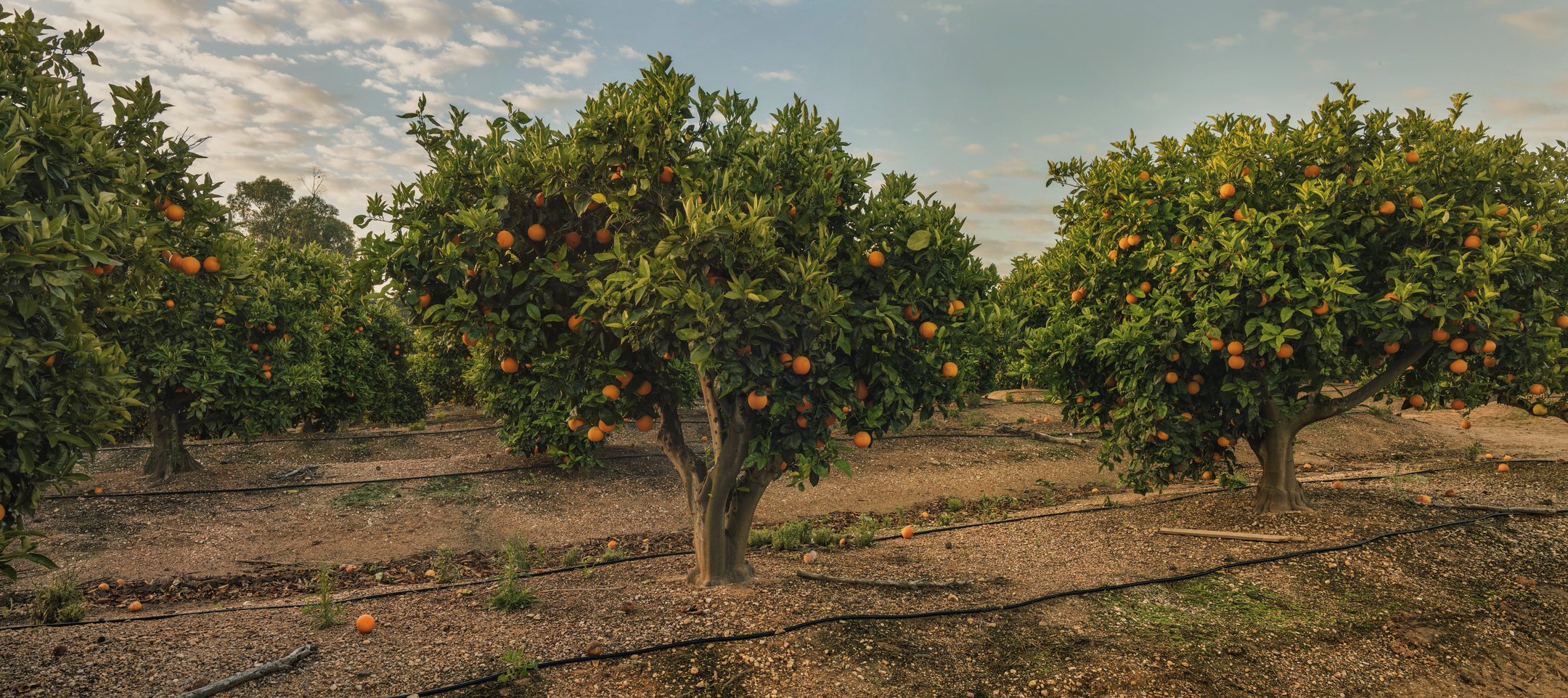
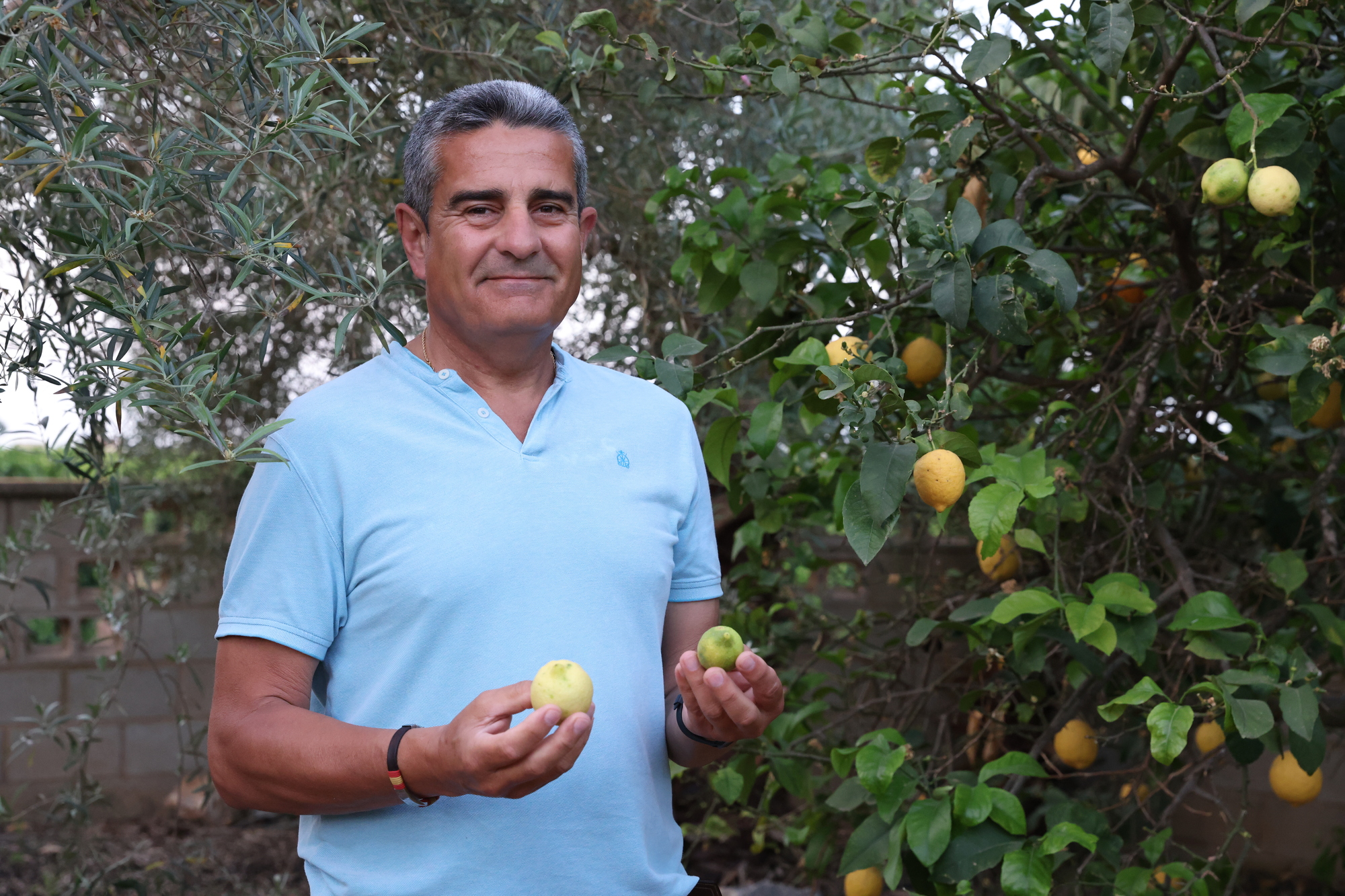
In southern Europe, two products will play an important role in the prevention and control of mealybugs in grape and citrus. The combination of Citripar, a parasitic wasp, and Cryptobug, a predatory beetle, has proven highly effective at controlling mealybug infestations. Felipe: “Some conventional insecticides such as spirotetramat that growers in southern Europe used to rely on, will soon not be available or allowed. Our Citripar and Cryptobug solutions are an excellent biological alternative. This was underscored by our 2023 trial results. By organising demos and field days, we want to encourage growers to try our biologicals. We think they will be surprised by their efficacy, which matches and can even exceed that of conventional solutions.”
The attention given to Citripar and Cryptobug reflects a broader trend: the increasing recognition of beneficial insects as effective alternatives to traditional crop protection methods. The 2024 trials will feature numerous beneficial insects, including predatory mites, predatory bugs and ladybirds to control a variety of harmful pests. “Spider mites, thrips, whiteflies, armoured scale insects, these are just some of the pests that our solutions help control,” says Felipe. “The fact that they, like Citripar and Cryptobug, can supplement or even replace chemical insecticides, makes them important elements of our 2024 trials.”
Showcasing new innovations
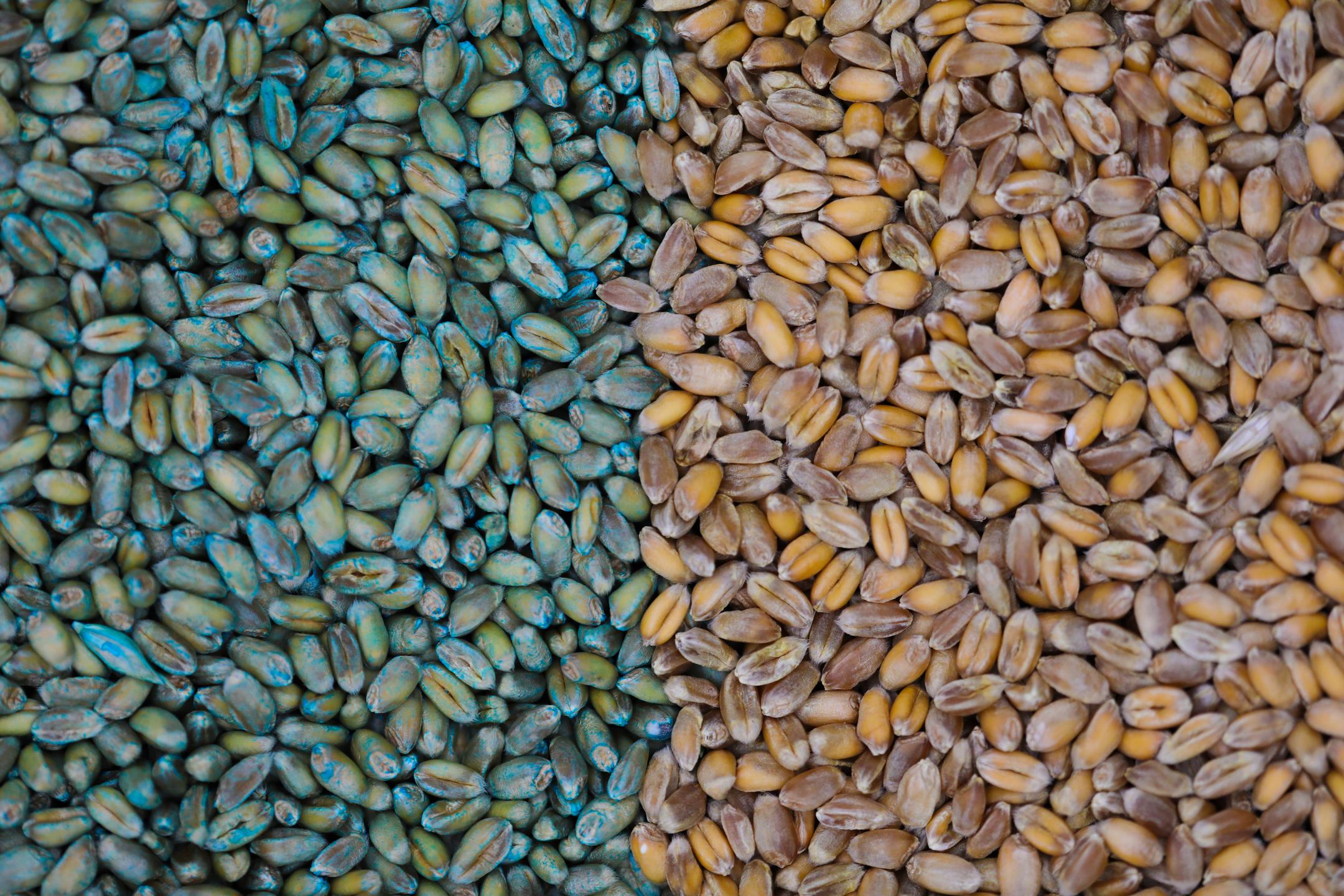
New this year are trials with Cerall, a seed coating applied prior to sowing to protect against fungal diseases such as Common bunt and Glume blotch in cereal plants. In addition, the Koppert team will be showcasing new innovations to support crop development and yield in row crops. “We are looking forward to supporting the row crops market with both biological pesticides and fungicides as well as new solutions to optimise crop resilience, such as an innovative product based on seaweed,” explains Felipe. “All driven by our goal to provide growers with the tools they need to succeed.”