






Why choose parasitic wasps for whitefly control?
Whiteflies can be a persistent challenge for growers, but relying solely on chemical pesticides is no longer a sustainable solution. Overuse of chemicals leads to resistance, environmental harm, and regulatory restrictions. Parasitic wasps offer a natural, highly effective alternative - targeting whiteflies without leaving harmful residues or disrupting beneficial insect populations.
How do parasitic wasps work?
Parasitic wasps are small allies in your fight against whiteflies. They work by laying their eggs inside whitefly larvae, preventing further infestations and reducing populations naturally. These wasps are safe, efficient, and easy to integrate into any pest management strategy.

Step-by-step guide to using parasitic wasps for whitefly control
-
Step 1: Choose the right species
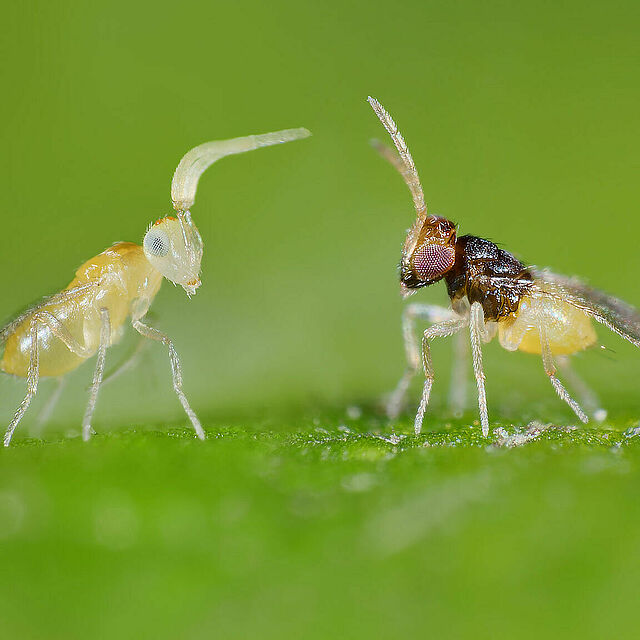
- Encarsia formosa (En-Strip) – Ideal for greenhouse environments, highly effective against greenhouse whiteflies.
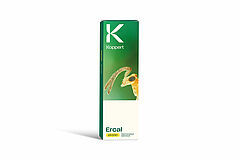
- Eretmocerus eremicus (Ercal) – Best for tackling both greenhouse and tobacco whiteflies.
- Encarsia formosa + Eretmocerus eremicus (Enermix) – A powerful combination for broad-spectrum whitefly control.
-
Step 2: Release at the right time
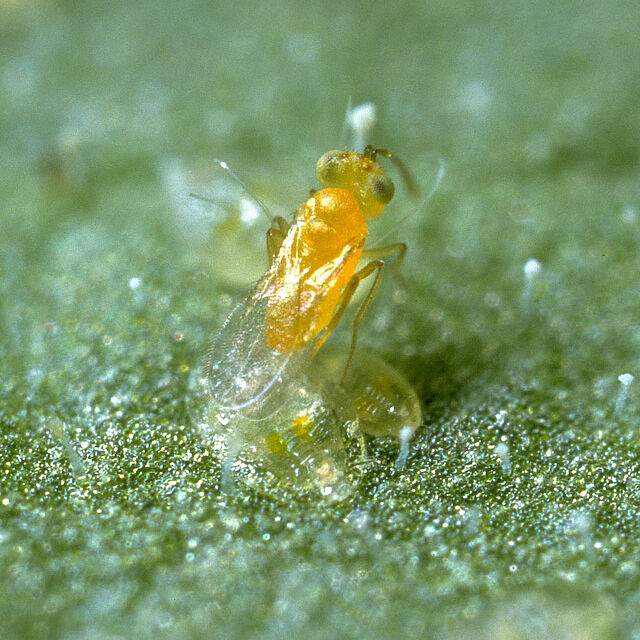
- Introduce wasps early when whitefly populations are still low, can be used preventatively.
- Apply weekly to maintain control and prevent outbreaks.
-
Step 3: Optimize conditions for success
- Maintain temperatures between 20°C and 30°C (68°F to 86°F) for optimal wasp activity.
- Avoid using broad-spectrum pesticides that could harm beneficial insects.

-
Step 4: Monitor and adjust
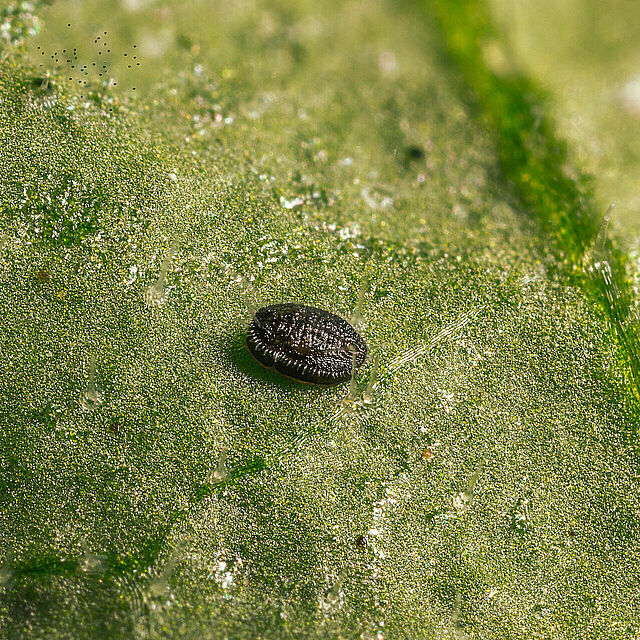
- Regularly inspect plants for signs of whitefly parasitism (darkened whitefly pupae indicate wasp activity).
- Adjust release rates based on infestation levels. Yellow or black pupae indicate they have been parasitized by Ercal (yellow) or En-Strip (black). The target is to achieve and maintain 80% parasitism levels.
The benefits of biological whitefly control
Eco-friendly
No harmful residues, safe for pollinators and beneficial insects.
Cost-effective
Reduces long-term pesticide use and the risk of resistance.
Sustainable
Supports integrated pest management (IPM) strategies for healthier crops.


Want to learn more about parasitic wasps?
Subscribe to our newsletter to receive more parasitic wasp related content.