Skip to content
  • Jump to:
  • Aphids
  • Recognize
  • Species
  • Life cycle
  • Damage
  • Solutions
  • Prevention
  • News

Biological control of aphids

Aphids are among the most harmful pests in greenhouse and field crops, causing plant stress, virus transmission and yield loss. Effective aphid control is essential for maintaining healthy, productive crops. Biological control of aphids uses a combination of natural enemies that attack aphids in different ways:

These beneficial insects target aphid populations and provide ongoing crop protection throughout the growing season. With Koppert’s biological solutions for aphids, professional growers can achieve consistent pest management, maintain crop quality, yield and sustainability.

Biological solutions for Aphids

Filters:
Clear all filters
Show all Show less
products found:

Questions or need help?

Find a reseller

Learn more about

What are aphids?

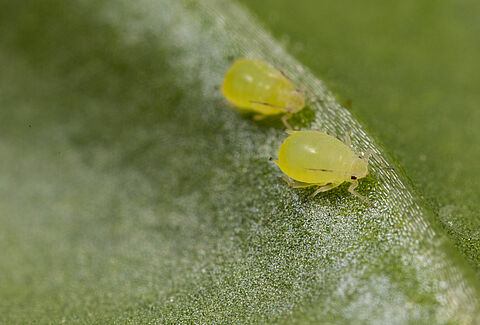
Aphids form a single, very large group of insects: the super- family Aphidoidea, belonging to the order Hemiptera. The aphids discussed here all belong to the family Aphididae, a family containing many species that cause damage in cultivated crops. The most significant aphids that occur in greenhouses are:

  • Myzus persicae subsp. persicae (green peach aphid) and Myzus persicae subsp. nicotianae (tobacco aphid) on various vegetable and ornamental crops.
  • Aphis gossypii (cotton aphid), mainly on Cucurbitaceae, but also on chrysanthemums, and sweet pepper.
  • Macrosiphum euphorbiae (potato aphid), mainly on Solanaceae and various ornamental crops.
  • Aulacorthum solani (glasshouse potato aphid), mainly on Solanaceae and various ornamental crops, e.g. begonia.

Recognize aphids

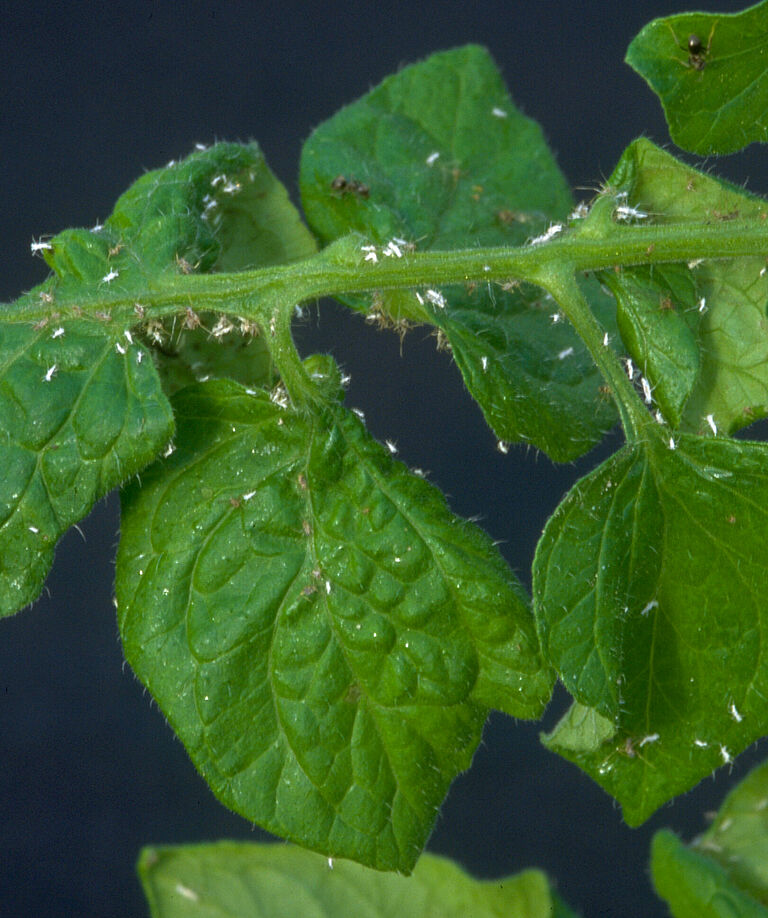
Aphids can be identified by the following characteristics:

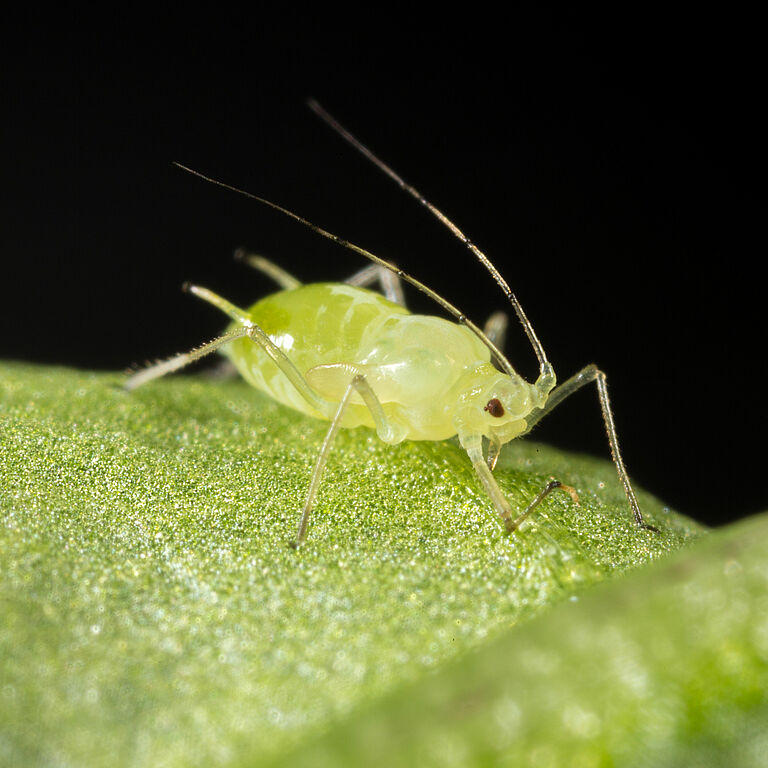
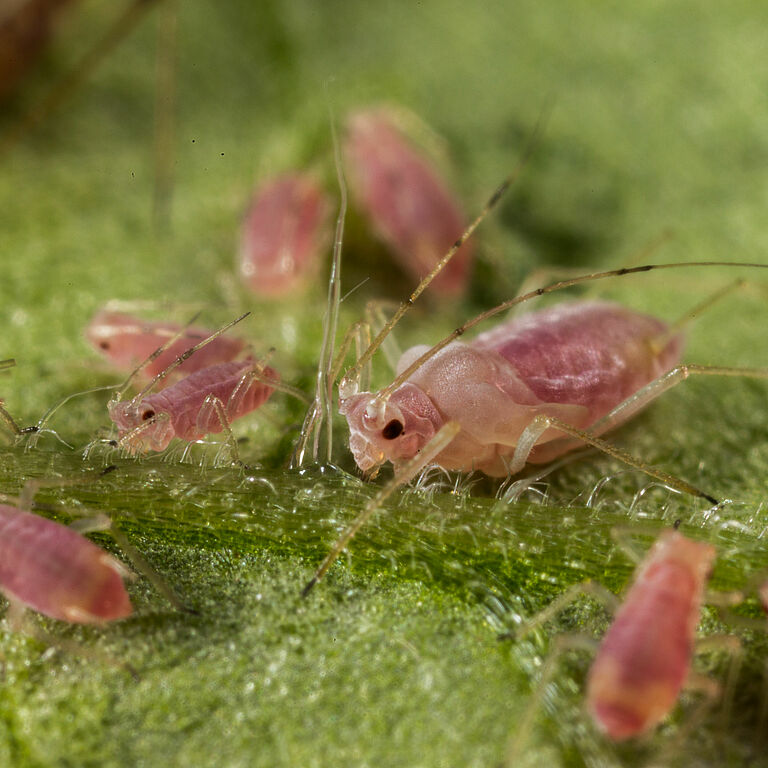
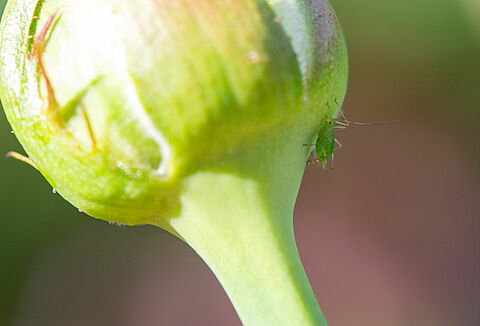
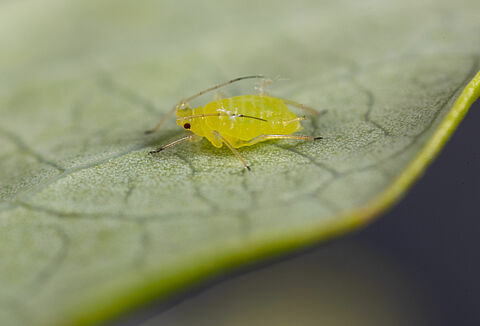
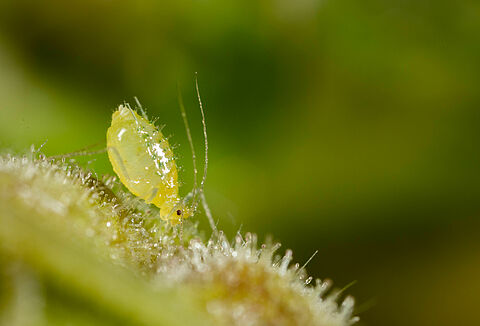
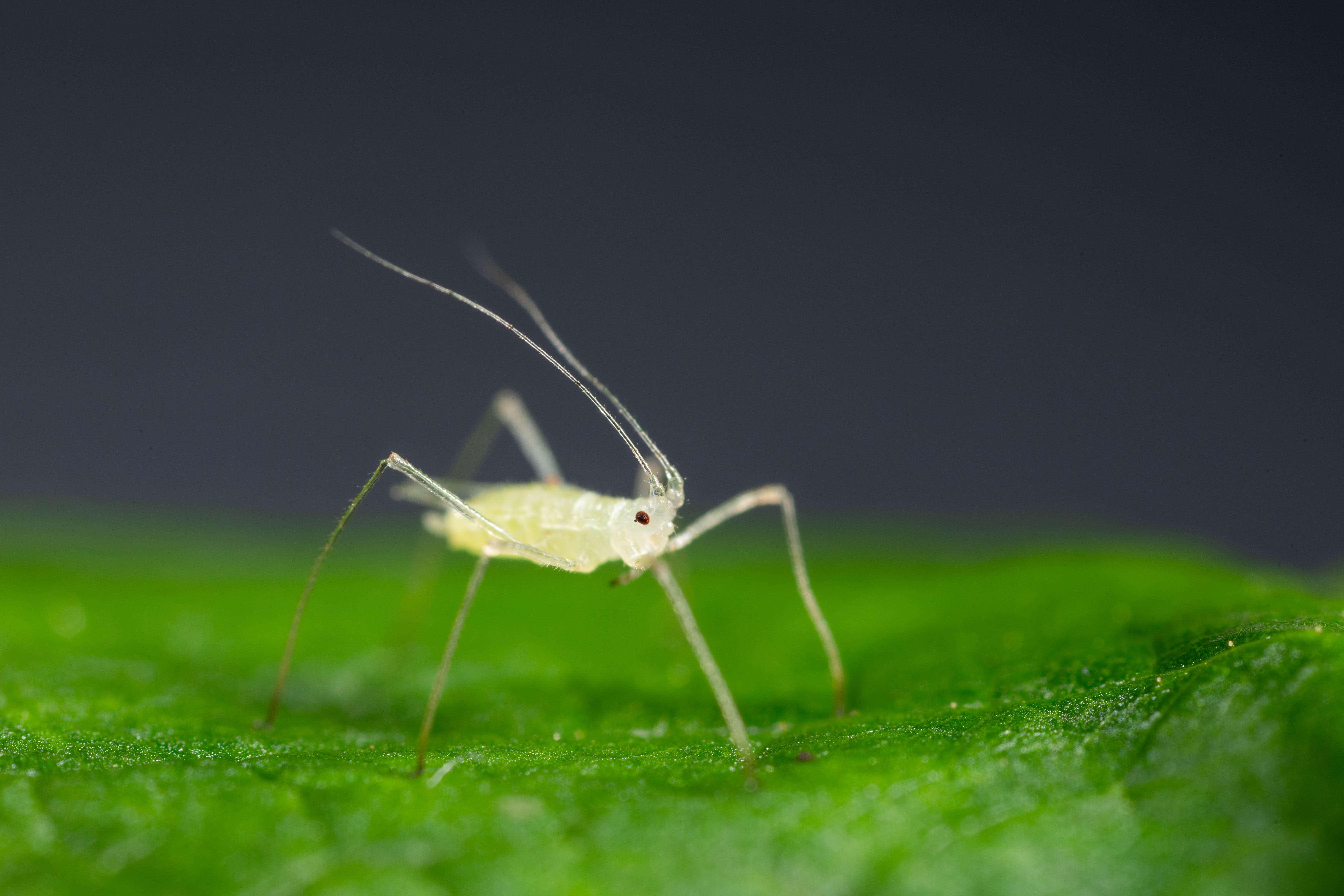
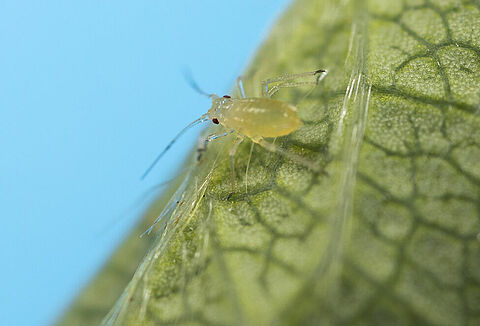
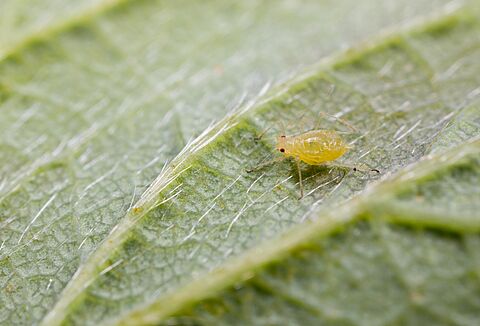
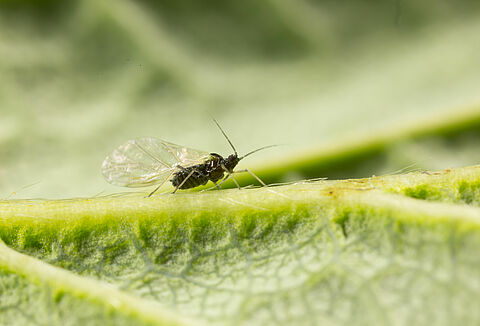
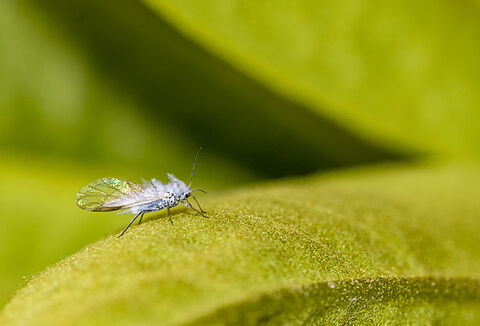
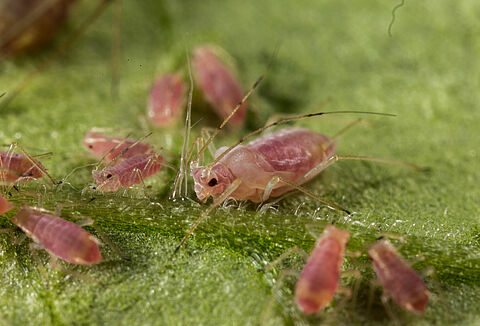
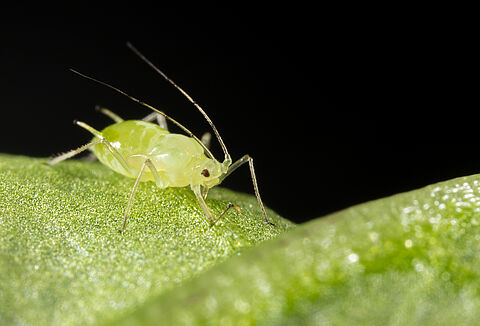
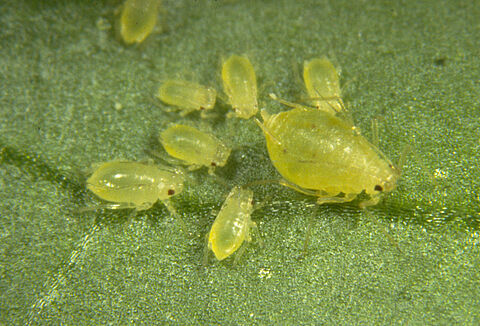
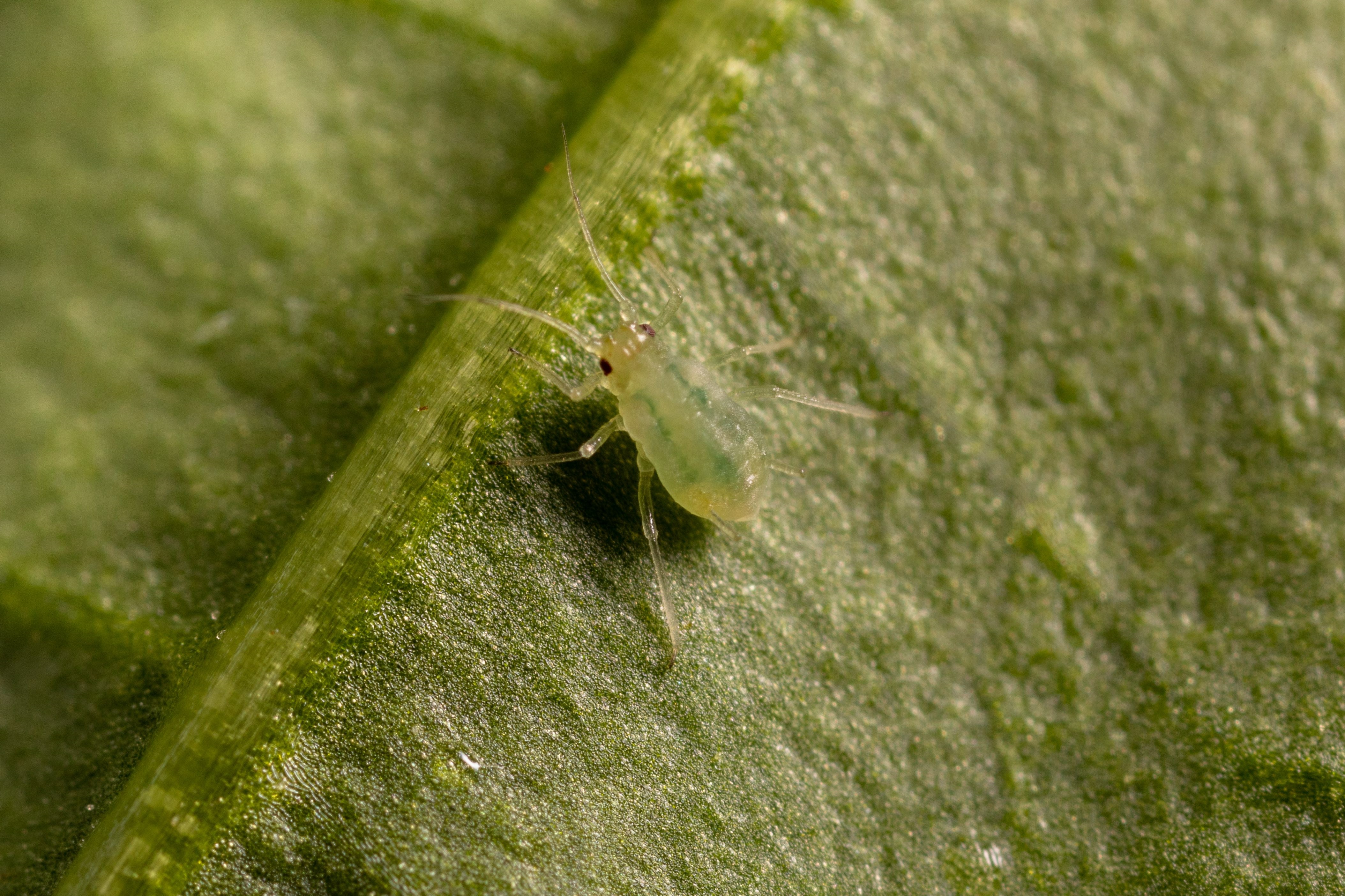
  • Size and shape: Aphids are small, soft-bodied insects that are usually less than 6 mm in length. They have a pear-shaped body with long antennae and two tube-like structures called tubercles on their rear end.

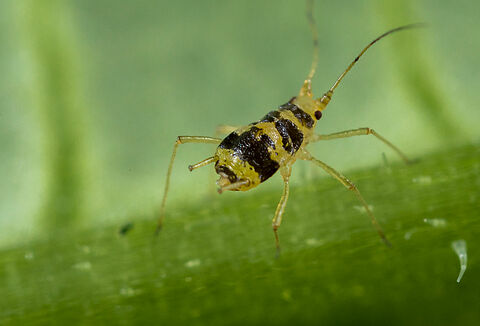
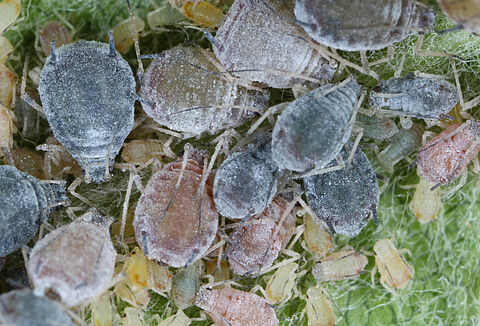
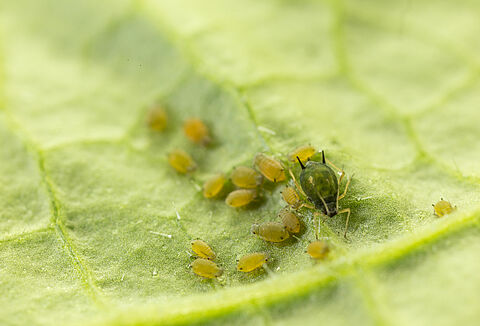
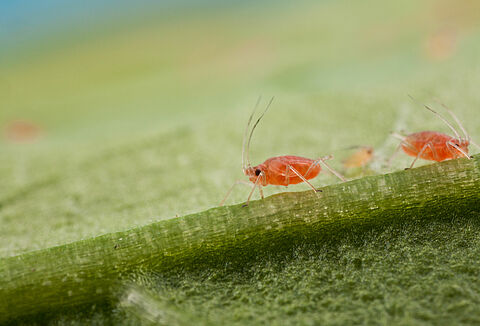
  • Color: Aphids can be a variety of colors, including green, yellow, black, brown, pink, or red, depending on the species and their stage of development. Some species may have distinctive markings or stripes on their bodies.
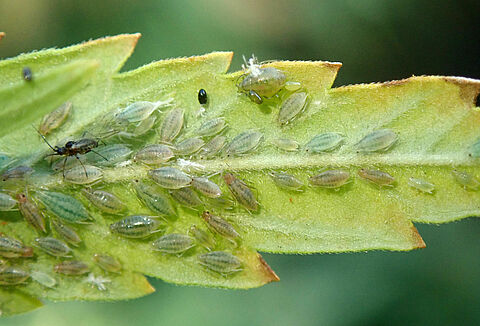
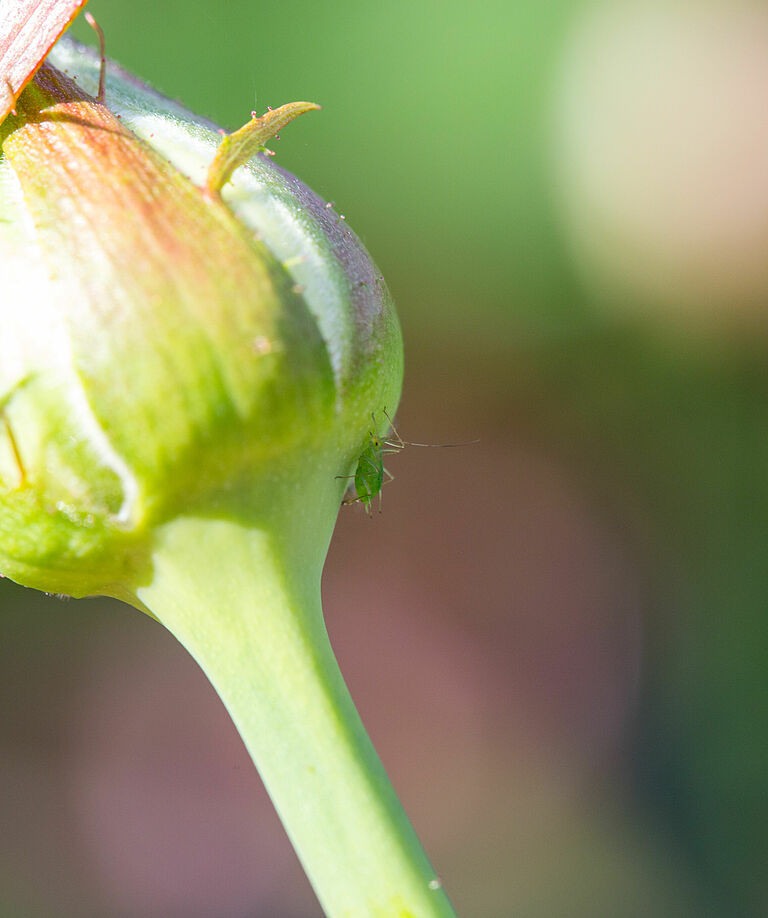
  • Movement: Aphids are slow-moving and tend to cluster on the undersides of leaves, where they feed on plant sap. They may also be found on stems, buds, flowers and fruit.
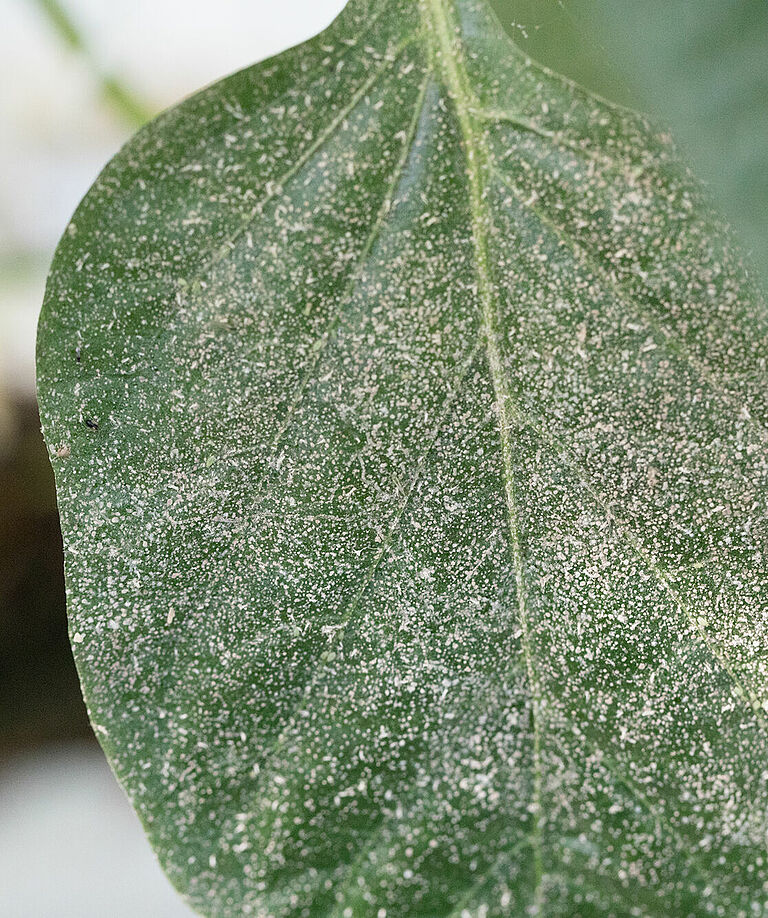
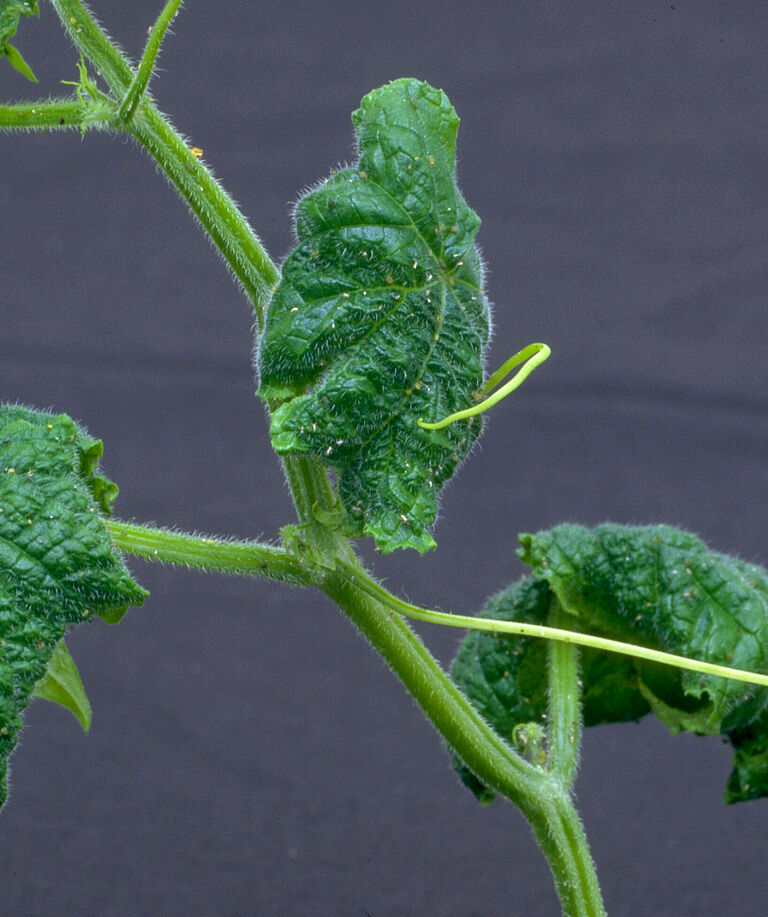
  • Damage: Aphids can cause damage to leaves, stems, and flowers by piercing the plant tissue and sucking out the sap. This can result in stunted growth, curling or distortion of the leaves, yellowing, or discoloration. They may also excrete a sugary substance called honeydew, which can attract other insects and lead to the growth of a black sooty mold.

Types of aphids

Aphids life cycle

Aphids damage

Depending on the species, aphids can inflict various types of damage to a crop:

  • Nymphs and adults extract nutrients from the plant and disturb the balance of growth hormones. As a result, the plant’s growth is retarded, giving rise to deformed leaves, or even, if the infestation occurs early enough in the season, the death of young plants. Retarded growth and defoliation reduce yield.
  • Plant sap has a low protein content but is rich in sugars. Aphids therefore need to extract large quantities of sap in order to get sufficient protein. As a consequence, the excess sugar is secreted in the form of honeydew, making the crop and its fruit sticky. Black fungal moulds (such as Cladosporium spp. and Capnodium spp.) grow on this honeydew, contaminating fruit and ornamental crops and rendering them unmarketable. At the same time, photosynthesis in the leaves is reduced, affecting production.
  • The aphid’s saliva can induce strong ‘allergic’ reactions such as malformations of the growing tips.
  • Aphids can transmit pathogenic organisms, particularly viruses. Viruses are mainly transmitted by the winged individuals. Potato virus Y (PVY) is transmitted by aphids in tomato in this way, as is the cucumber mosaic virus (CMV) in cucumber.

How to prevent aphids

To prevent aphid infestations in crops, you can take several preventative measures:

Practice good crop hygiene

Keep the growing area clean and free from weeds, debris, and plant residues that can harbor aphids. Regularly remove and dispose of any infested plant material.

Monitor your crops regularly

Inspect plants for early signs of aphids, such as curled leaves, distorted growth, or the presence of the insects themselves. Early detection enables prompt action to prevent infestations from spreading. Sticky traps can be strategically placed throughout the growing area to capture flying aphids and provide an indication of their population levels.

By implementing these preventative measures, you can significantly reduce the risk of aphid infestations and maintain healthier crops.

Aphid control videos

Take a look at the video or go to our Youtube channel to see our aphid control products in action.

Need help?